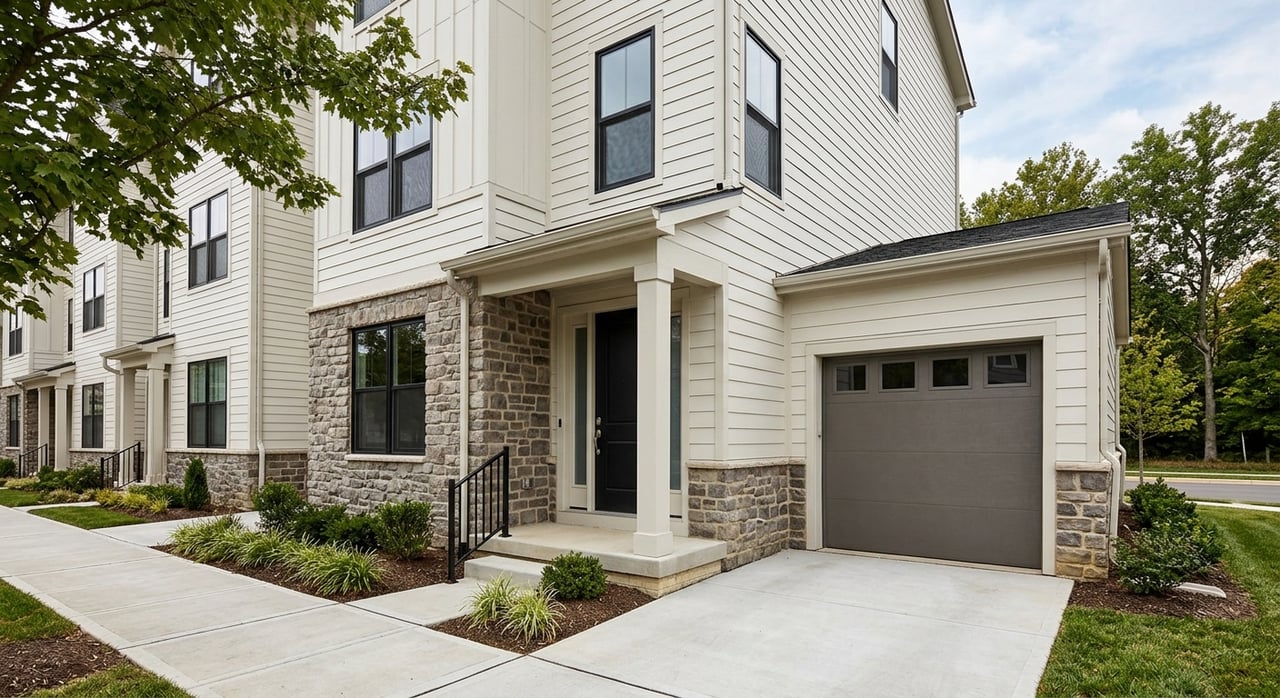
If you are comparing single-family and townhome rentals in Lehigh County, the choice can look simple at first and much more nuanced once you dig into the numbers. You want a property that rents well, fits your budget, and gives you a clear path for long-term value. This guide breaks down how each rental type stacks up in Lehigh County so you can weigh price, rent potential, upkeep, and resale with more confidence. Let’s dive in.
Lehigh County Rental Market Basics
Lehigh County is not a bargain-basement market, but it is still active and broad enough to give investors multiple ways to enter. Recent county-wide home price metrics sit in the low-to-mid $300,000s, with reported figures ranging from roughly $318,333 to $379,900 depending on the source and timing.
The county also has a large housing base and a sizable renter pool. Census figures show 152,570 housing units, a 65.6% owner-occupied rate, a median value of owner-occupied homes of $300,400, and a median gross rent of $1,383. With an estimated 145,402 households and a median household income of $81,270, the market supports both ownership and rental demand.
Single-Family Vs Townhome Supply
Detached homes make up the largest share of Lehigh County housing stock. County planning data shows about 49.86% of properties are one-unit detached, while about 24.88% are one-unit attached.
That matters because it shapes both your buying options and your exit strategy. Single-family rentals are the more common product, while townhomes are still a meaningful segment rather than a niche category.
Current listings reflect that split. Zillow shows 439 single-family homes for sale versus 151 townhomes for sale in Lehigh County, which gives buyers a larger detached-home selection but still enough townhome inventory to compare across price points and communities.
Purchase Price Differences
In general, townhomes tend to offer a lower entry point than detached homes in Lehigh County. In visible current listings, townhomes range from about $120,000 to $464,000, while single-family homes range from about $229,900 to $779,900.
That does not mean every townhome is cheaper than every house. There is overlap in the middle of the market, especially for newer or upgraded townhomes and smaller detached homes. Still, the broader pattern suggests townhomes can make it easier to enter the market with less upfront capital.
Rent Range Comparison
Rental pricing also overlaps, but detached homes usually offer a higher ceiling. Current visible examples show townhomes commonly listed from about $1,595 to $2,900 per month, while houses commonly range from about $1,600 to $4,750 per month.
County-wide, Zillow reported an average asking rent of $1,856 as of May 31, 2026. That figure sits above the Census median gross rent of $1,383, which is normal because asking-rent data and Census-based rent figures measure different things.
For you as an investor, the takeaway is straightforward. Both property types participate in an active rental market, but detached homes may give you more upside at the top of the rent range depending on size, condition, and location.
How HOA Costs Change the Math
This is where the townhome versus single-family debate becomes more than a price comparison. A lower purchase price on a townhome can be attractive, but recurring HOA dues can affect your monthly cash flow.
HOA fees usually cover shared spaces and may reduce your direct responsibility for some exterior or common-area maintenance. In return, you take on recurring dues, community rules, and the possibility of special assessments.
With a detached house, the trade-off is often the opposite. You usually have more control over the property, but you are directly responsible for the full maintenance budget, including exterior repairs, landscaping, and major systems unless the property is in a neighborhood with its own association.
Maintenance and Control
If you prefer operational control, single-family rentals often have the edge. You can usually decide how and when to handle exterior repairs, updates, and long-term maintenance planning without an association adding another layer of approval or restrictions.
Townhomes may appeal if you want a more standardized product. In many cases, the exterior responsibilities are more limited for the owner, which can simplify maintenance planning, though the exact division of responsibility depends on the community documents.
The key is not to assume that townhome ownership always means less work. You need to understand exactly what the HOA covers and what still falls on you.
Pennsylvania Rules Every Landlord Should Know
No matter which property type you choose, Pennsylvania landlord-tenant rules affect your planning. According to the Pennsylvania Office of Attorney General, landlords must maintain habitability standards.
The same guide states that a security deposit cannot exceed two months’ rent during the first year and one month’s rent at the start of the second year. Interest rules begin in the third year, and the deposit must be returned or itemized within 30 days after move-out.
The guide also notes that there is no stand-alone right for a tenant to terminate a lease early and no obligation for the landlord to find a replacement tenant if a resident leaves early. For investors, those rules can shape turnover expectations, reserve planning, and lease administration for either houses or townhomes.
Why Townhomes Need More Document Review
Townhomes in planned communities often require more due diligence before you buy. The Pennsylvania Office of Attorney General explains that the Uniform Planned Community Act applies to planned communities with more than 12 units and gives associations authority tied to assessments, fines, and community governance.
Declarations may also include restrictions on use, occupancy, and alienation. In practical terms, that means your ability to rent the property can be affected by the governing documents, not just your own investment goals.
Pennsylvania Realtors also notes that associations often try to limit leasing, and changing declarations to restrict leasing generally requires a two-thirds supermajority after HB 1340 unless the governing documents require more. Even so, you should verify current leasing rules before you close, not after.
Exit Strategy Matters
Your best rental choice is not just about today’s numbers. It is also about how easy the property may be to sell later.
Detached homes may have the broadest resale pool in Lehigh County because they represent the largest housing category and the county has a high owner-occupancy rate. That can support a cleaner exit if you eventually want to sell to an owner-occupant rather than another investor.
Townhomes can still be strong long-term holds, especially in well-run communities. But their resale value often depends more on HOA health, reserve discipline, and leasing rules, which makes the underwriting process more document-driven.
Which Rental Type Fits You Best?
There is no one-size-fits-all answer, but there is a practical rule of thumb. Single-family rentals are usually a better fit if you want more control over repairs, fewer community restrictions, and a broader potential resale audience.
Townhomes are often a better fit if you want a lower entry basis and a more standardized rental product. They can work well when you are comfortable reviewing HOA dues, governing documents, and the possibility of special assessments before making an offer.
Local rental activity supports both options. Zillow currently shows about 100 house rentals and about 135 townhome rentals in Lehigh County, which suggests meaningful tenant demand in both categories.
A Smart Way to Compare Deals
If you are narrowing down properties, compare them with the same framework instead of relying on asking price alone. A clear side-by-side review can help you avoid surprises.
Here are a few questions worth asking on every deal:
- What is the purchase price relative to similar nearby listings?
- What is the realistic asking-rent range based on current local examples?
- Are there HOA dues, and if so, what do they cover?
- Are there leasing restrictions or approval requirements?
- What repairs will you control directly?
- How strong is the likely resale pool if you sell in the future?
That process can help you spot whether a lower-cost townhome is truly the better value or whether a detached house gives you stronger long-term flexibility.
If you want help comparing rental opportunities in Lehigh County, the Shabana Pathan Group can help you evaluate local inventory, review property-level tradeoffs, and move forward with a clear strategy.
FAQs
What is the main difference between single-family and townhome rentals in Lehigh County?
- Single-family rentals usually offer more owner control and a broader resale pool, while townhomes often offer a lower entry price but may come with HOA dues, rules, and possible leasing restrictions.
Are townhomes cheaper to buy than houses in Lehigh County?
- In current visible listings, townhomes generally start lower, with examples from about $120,000 to $464,000, while single-family homes range from about $229,900 to $779,900.
Do single-family rentals collect more rent than townhomes in Lehigh County?
- They can. Current examples show townhomes commonly listed around $1,595 to $2,900 per month, while houses commonly range from about $1,600 to $4,750 per month.
What Pennsylvania security deposit rules apply to Lehigh County rentals?
- The Pennsylvania Office of Attorney General says a security deposit cannot exceed two months’ rent in the first year and one month’s rent at the start of the second year, and it must be returned or itemized within 30 days after move-out.
Why do HOA rules matter when buying a Lehigh County townhome rental?
- HOA and planned community documents may include rules on leasing, assessments, fines, use, and occupancy, so they can directly affect your cash flow, flexibility, and long-term exit strategy.
Which rental type is easier to sell later in Lehigh County?
- Detached single-family homes may offer the broadest resale pool because they are the largest housing category in the county and owner-occupancy remains relatively high.