If you are selling a home with land in Macungie, the acreage can be a major asset, but only if buyers understand what they are looking at. More land does not automatically mean more value, and questions about outbuildings, access, boundaries, and future use can quickly shape how your property is perceived. When you prepare and market the property the right way, you can help buyers see both the home and the land with confidence. Let’s dive in.
Why acreage needs a different strategy
Selling a Macungie home with land or acreage is not the same as selling a typical in-town property. Buyers are evaluating the house, but they are also judging how usable, understandable, and well-supported the land feels.
That matters because valuation is not based on acreage alone. Appraisal guidance looks at comparable sales, highest and best use, and the land’s physical, legal, and locational characteristics. For larger sites, lenders also pay close attention when the property is bigger than what is typical for the surrounding area.
How land is usually valued
Acreage is usually analyzed in context, not in isolation. In practical terms, that means a 2-acre or 5-acre property is not valued by simply multiplying land size by a flat number.
Instead, the value often depends on factors like:
- How the property compares to recent local sales
- Whether the site size fits the surrounding market
- How the land can legally be used
- The physical layout, access, and overall usability of the site
- Whether the property presents as a residential home with land or something more agricultural in character
For sellers, the big takeaway is simple. Your property is easier to value and easier to market when the land feels like a clear extension of the home.
Outbuildings can help or confuse
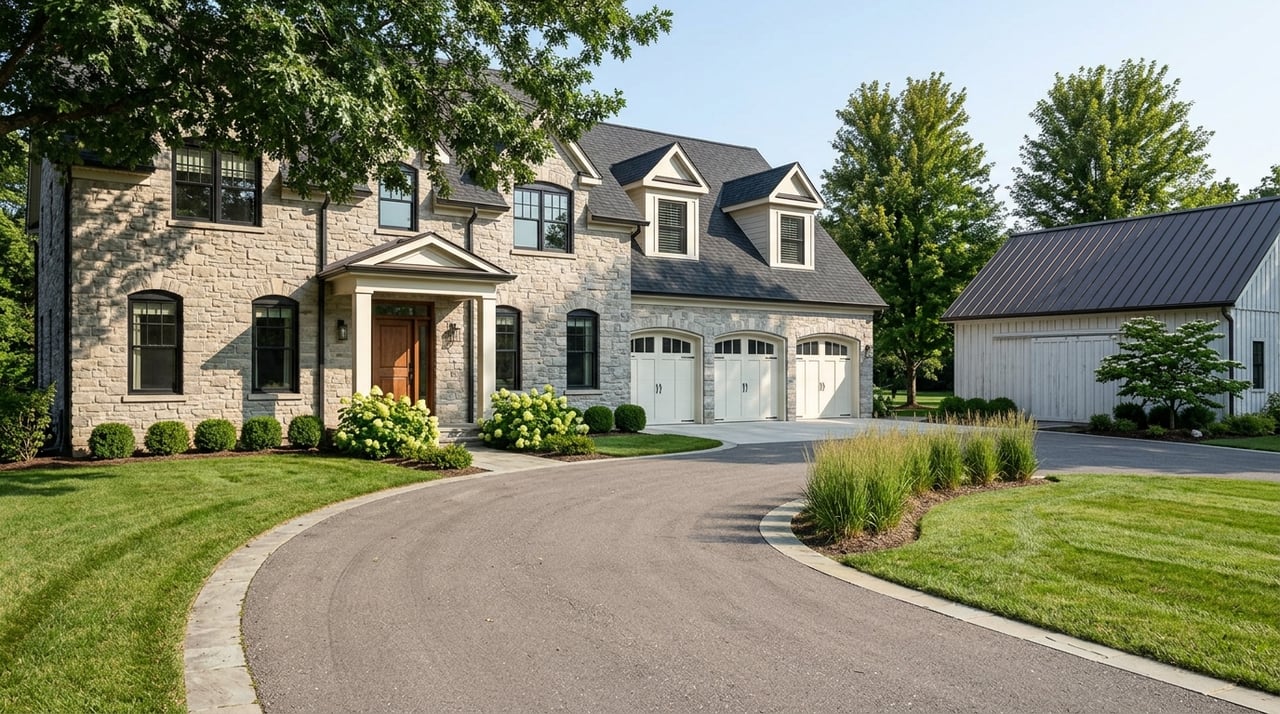
Barns, sheds, stables, and other detached structures can add appeal, but they do not always add value in the way sellers expect. Appraisal guidance notes that outbuildings must be described, and smaller barns or stables may have limited contributory value, while larger agricultural-style structures can shift how the property is viewed.
That does not mean outbuildings are a negative. It means buyers and appraisers need a clear story about what those structures are, how they are used, and how they fit the property.
What buyers notice first
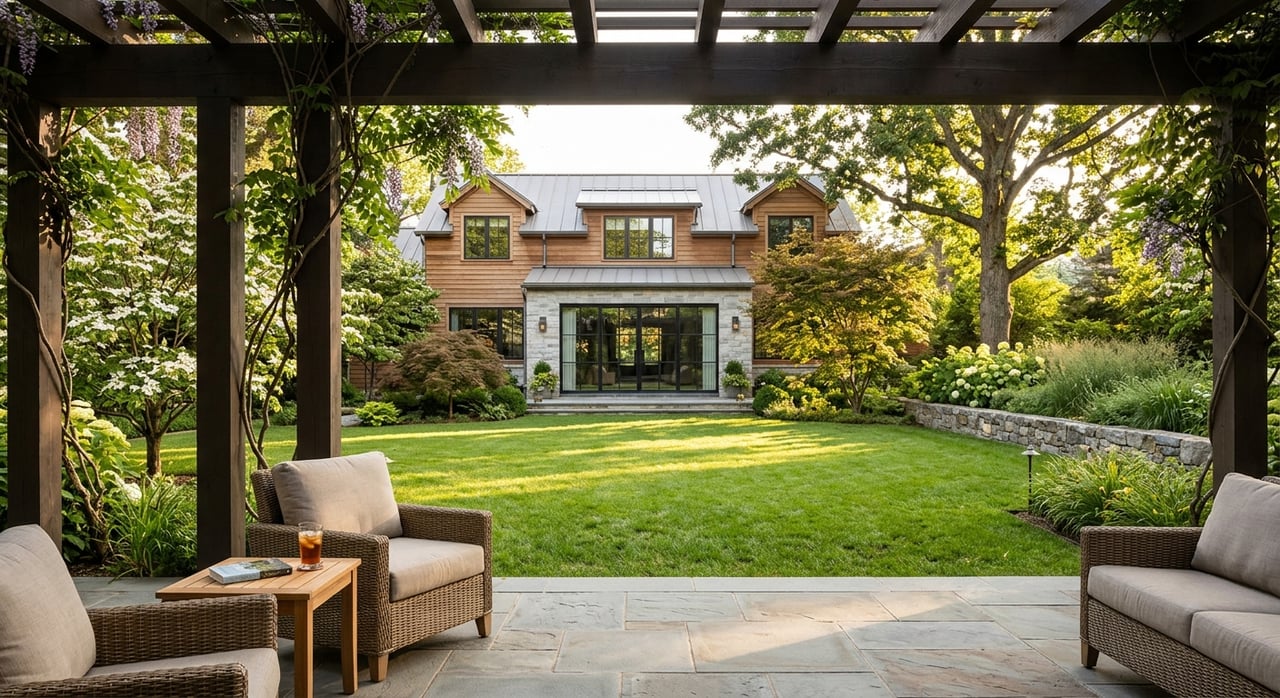
When buyers look at homes with land, they often respond to usability before they respond to size. Features like patios, exterior lighting, garage storage, front porches, landscaping, and energy-efficient windows remain popular with buyers.
For a property with acreage, that tells you something important. Buyers want to picture the land as functional outdoor living space, not as vague extra ground.
Presentation also matters more than many sellers realize. Buyer trend data shows that floor plans, high-resolution photos, and 3D or virtual tours are among the most important listing features for prospective buyers.
Make the land easy to understand
Acreage often loses momentum when buyers cannot tell where usable land begins and ends. If the lot lines are unclear, the drive is messy, or detached structures look random, the property can feel harder to interpret.
Before listing, focus on making the site readable. That may include:
- Mowing fields and trimming edges
- Clearing debris, unused equipment, and scrap materials
- Cleaning patios, porches, and outdoor gathering areas
- Organizing barns, sheds, or storage buildings
- Improving sightlines so buyers can better understand the layout
These steps can help the property photograph better and show better in person. They also make it easier for buyers to connect the house, land, and improvements into one complete picture.
Grounds and outdoor living matter
Land tends to show best when it feels intentional. A wide lawn, open field, or tree-lined edge can be attractive, but buyers usually respond more strongly when they can see how the space supports everyday living.
That is why outdoor features often matter so much. A clean patio, a welcoming front porch, practical garage storage, exterior lighting, and maintained landscaping can make a larger property feel useful and move-in ready.
If you already have outdoor living features, make sure they are highlighted. If you have acreage without much structure, the goal should be clarity, cleanliness, and a sense of purpose.
Macungie rules can affect marketability
In Macungie Borough, zoning rules regulate land use, structures, yards, open areas, and natural features. That means your listing is not just about square footage and curb appeal. It is also about whether the site and its improvements align with local rules.
This becomes especially important when sellers want to market the property as having potential for a future use. If there is any question about subdivision, detached structures, access, or land development, those claims should be checked before the property is presented that way.
Know the rules on fences and sheds
Macungie has specific guidance for fences and sheds. Front-yard fences and walls may not exceed 4 feet, and fences in the minimum front yard must be at least 50 percent open. Side and rear yard fences and walls may not exceed 6 feet, and no fence may be built within an easement.
Retaining walls over 4 feet require a building permit, and a plot plan is required. Sheds may not be built in a front yard or within an easement, must be at least 3 feet from side and rear property lines, and accessory buildings cannot exceed the height of the main dwelling or 25 feet.
Sheds over 200 square feet require a separate building permit. The borough also notes that a plot plan must show lot dimensions, setbacks, easements, sight triangles, and corner markers.
If you have added exterior improvements over time, it is smart to review how they sit on the property before listing. That helps you avoid surprises when buyers start asking detailed questions.
Driveway and access updates may need permits
If you are planning to improve the approach to the property before selling, pay close attention to local permit rules. Macungie has separate permit processes for curb and sidewalk openings and driveway apron work.
Some streets also require a PennDOT Highway Occupancy Permit. Before any excavation begins, PA One Call utility marking is required.
For sellers, the practical point is this: even simple exterior work can involve approvals. If you are thinking about changing access or improving the driveway, confirm requirements before starting.
When a survey can protect your sale
Boundary questions can become a major issue on homes with land. If fences, corner markers, easements, or access points do not clearly match what is visible on the ground, buyers may hesitate.
In Pennsylvania, a professional land surveyor is licensed to retrace or reestablish property lines, road rights-of-way, easements, and alignments. That makes a surveyor the right professional when the existing boundaries are unclear or when a buyer starts asking about possible access, fence placement, or a future split.
A survey is not necessary for every sale, but it can be very helpful when the land is a major part of the value story. Clarity reduces uncertainty, and uncertainty can slow down offers.
Use local records before making claims
Before marketing acreage, it helps to confirm the parcel context through local records. Lehigh County’s GIS office maintains the county parcel layer, and its parcel and recording systems track deeds, mortgages, easements, and related records.
That makes county parcel information a useful starting point for checking the basic outline of what is recorded. It is especially helpful before making statements about acreage, boundaries, or adjoining rights-of-way.
Who to call with zoning questions
For day-to-day local regulation questions in Macungie, the Zoning and Code Enforcement Officer is the key contact. The Zoning Hearing Board handles appeals, variances, and special exceptions.
The Planning Commission reviews land development and subdivision applications, rezonings, comprehensive plan revisions, and conditional use applications. If your property’s value story depends on a detached structure, a potential split, or a future land use, those issues should be checked with the borough before they appear in marketing.
How to position your property well
A strong acreage listing usually does three things at once. It presents the home beautifully, explains the land clearly, and avoids unsupported claims about future use.
That is where thoughtful preparation and premium marketing can make a real difference. Strong photography, a clear floor plan, and a 3D tour help buyers understand the home, while disciplined exterior prep helps them understand the land.
When both pieces work together, your property feels more valuable, more credible, and easier to act on. That can lead to stronger interest and better conversations once your home hits the market.
If you are thinking about selling a home with land in Macungie, the right strategy starts with clear positioning, careful preparation, and marketing that helps buyers see the full opportunity. To plan your next step with confidence, connect with the Shabana Pathan Group.
FAQs
How is a Macungie home with acreage valued?
- A home with acreage is typically valued based on comparable sales, highest and best use, and the land’s physical, legal, and locational characteristics, not just the number of acres.
Do outbuildings add value to a Macungie property?
- Outbuildings can add appeal, but their value depends on size, condition, and how they fit the property, and some larger structures may make the property appear more agricultural than residential.
Should you get a survey before selling land in Macungie?
- A survey can be helpful if property lines, easements, fence placement, or access points are unclear, especially when the land is a major part of the sale.
Can you market a Macungie property as subdividable?
- You should confirm any subdivision or future-use claim with the borough before marketing the property that way.
What shed and fence rules matter in Macungie?
- Macungie regulates fence height, openness in minimum front yards, easement placement, shed setbacks, shed location, and when permits and plot plans are required.
Do driveway improvements require permits in Macungie?
- Yes, some driveway apron, curb, and sidewalk opening work requires local permits, and some streets may also require a PennDOT Highway Occupancy Permit.