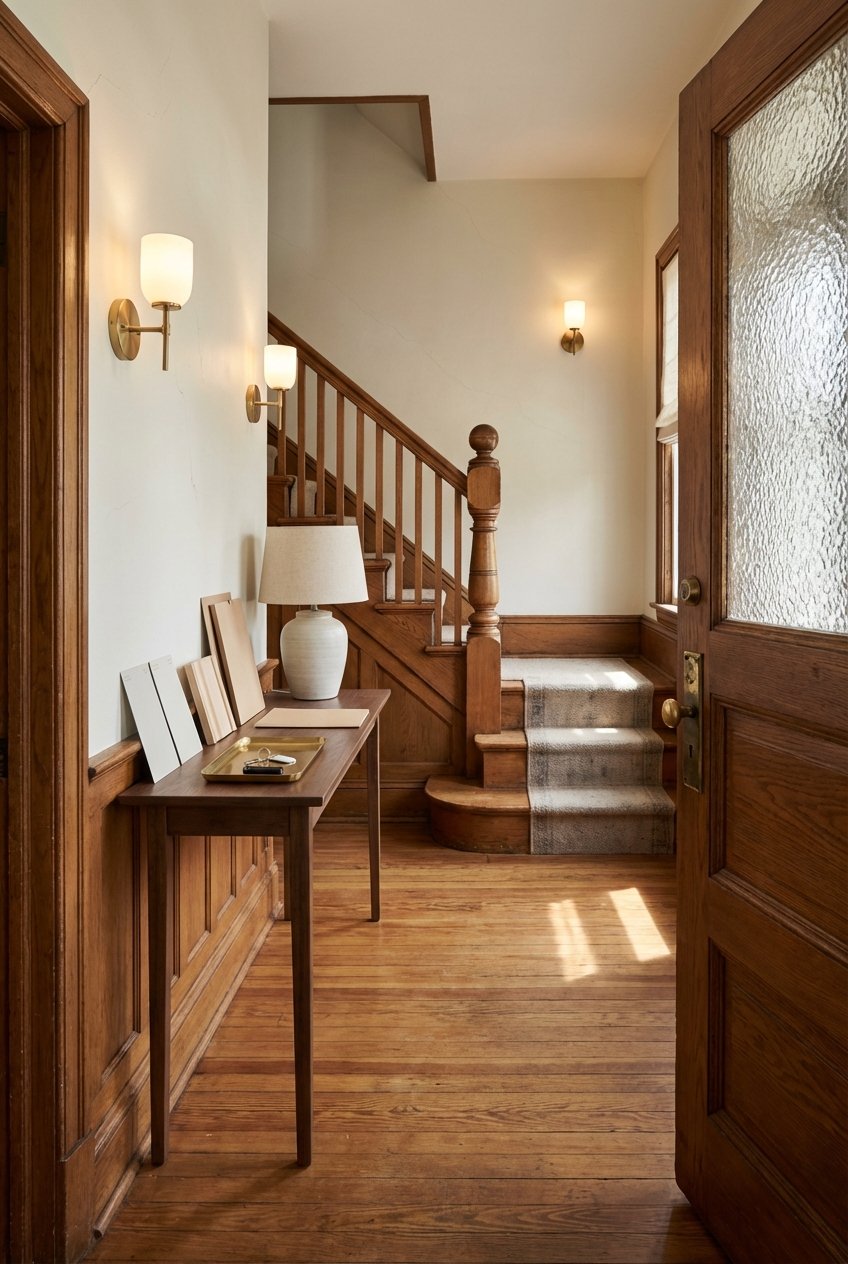
Thinking about selling a historic Bethlehem home from Palmer Township and wondering which renovations are worth it? You’re smart to ask before you spend. Older homes in the Lehigh Valley shine when you balance character with safety, marketability, and local rules. In this guide, you’ll learn what to fix first, where preservation matters, which projects tend to deliver value, and how to plan your timeline so you hit the market with confidence. Let’s dive in.
Start with location-specific rules
Before you plan any work, confirm which municipality and review process apply to your property. If your home sits inside the City of Bethlehem’s historic or conservation districts, most exterior changes require a Historic Architectural Review Board or Historic Conservation Commission review and City Council approval of a Certificate of Appropriateness before permits are issued. Get familiar with the City’s districts and application timing so you can plan ahead using the City’s guidance on historic and conservation districts.
Bethlehem’s historic core is nationally significant. The Historic Moravian Bethlehem District recently earned World Heritage recognition, which reflects the area’s unique history and can heighten preservation expectations. If you’re near downtown Bethlehem, confirm status early since review can add weeks to a project schedule. You can read more about the recognition in the National Park Service’s update on Historic Moravian Bethlehem.
If your property is in Palmer Township, you still need permits for many projects under Pennsylvania’s Uniform Construction Code. Palmer lists permits for structural work, roofing, windows, electrical, plumbing, and more. The Township does not require a resale inspection, but permit rules still apply, so always verify scope and timing with the Township. Start with the Township’s codes and permits overview.
Safety and systems before cosmetics
Buyers love original details, but most will walk from a home with unsafe systems or active leaks. Put your first dollars into items that keep inspections clean and lenders comfortable.
- Electrical hazards. Replace obsolete or unsafe wiring and outdated panels. Unsafe wiring can derail a sale and insurance.
- Roofing and water management. A failing roof, clogged gutters, or water intrusion will raise red flags fast.
- Heating and cooling. Ensure reliable heat and proper ventilation. Document recent service or replacement.
- Environmental risk. For homes built before 1978, federal law requires lead-based paint disclosures. If you plan to disturb painted surfaces, confirm your contractor is certified under the EPA’s Renovation, Repair and Painting rules. Review seller duties in the EPA’s lead disclosure guidance on the Lead-Based Paint Disclosure Rule and contractor certification via the RRP program.
- Radon readiness. Northampton County is in a higher-potential radon zone. Testing is affordable, and mitigation is straightforward if levels exceed the EPA action level. Learn more in the EPA’s Map of Radon Zones.
- Asbestos awareness. Many older homes include materials that may contain asbestos. Disturbing them during renovation can trigger federal and state rules. If your project involves demolition or suspect materials, plan for testing and follow EPA guidance on debris and renovation safety.
Addressing these items first not only protects you during disclosure, it also reduces renegotiations and keeps appraisals and insurance on track.
Preservation vs ROI: smart tradeoffs
Not every dollar returns the same value at resale, and historic considerations add another layer. Use national Cost vs Value data as a general guide, then fit those choices to your home’s character and your local market.
According to the 2025 Cost vs Value report, national averages show that smaller, targeted projects often recoup a higher percentage of cost than big additions. A minor midrange kitchen remodel shows a national recoup around 113 percent. Entry or garage door replacements also rank high. Vinyl window replacement tends to be mid-70s percent, while a new asphalt roof typically comes in around 60 to 70 percent. Explore the current figures at Cost vs Value. Your actual ROI in Northampton County will vary based on comps and buyer demand.
Historic buyers often value original materials. The National Park Service encourages repair over replacement, especially for character-defining features like wood windows and porches. If your home is in a Bethlehem historic district, inappropriate replacements can complicate approvals and turn off preservation-minded buyers. See NPS guidance on windows, masonry, and more in the Preservation Briefs.
Windows and trim
- In a historic district: Repair original wood windows where practical. Combine sash repair, weatherstripping, and storms to improve comfort while retaining character. This approach aligns with preservation standards and typically eases approvals.
- In Palmer Township or outside districts: Weigh character against buyer expectations and energy concerns. Quality vinyl replacements can improve marketability, but compare cost and expected recoup. Where possible, choose reversible or minimally invasive options.
Masonry, foundations, chimneys
Historic brick and stone require compatible materials and methods. Poor repointing can trap moisture and damage your walls. Ask contractors to match mortar color, composition, and tooling. NPS has reliable technical guidance on historic masonry practice. If you’re in a protected district, include mockups and sample panels in the plan.
Kitchens and baths
A light, midrange refresh often goes further than a full gut. Focus on paint, hardware, lighting, counters, and minor layout fixes that respect the home’s architecture. Use the Cost vs Value benchmarks to avoid over-improving relative to neighborhood norms.
Curb appeal
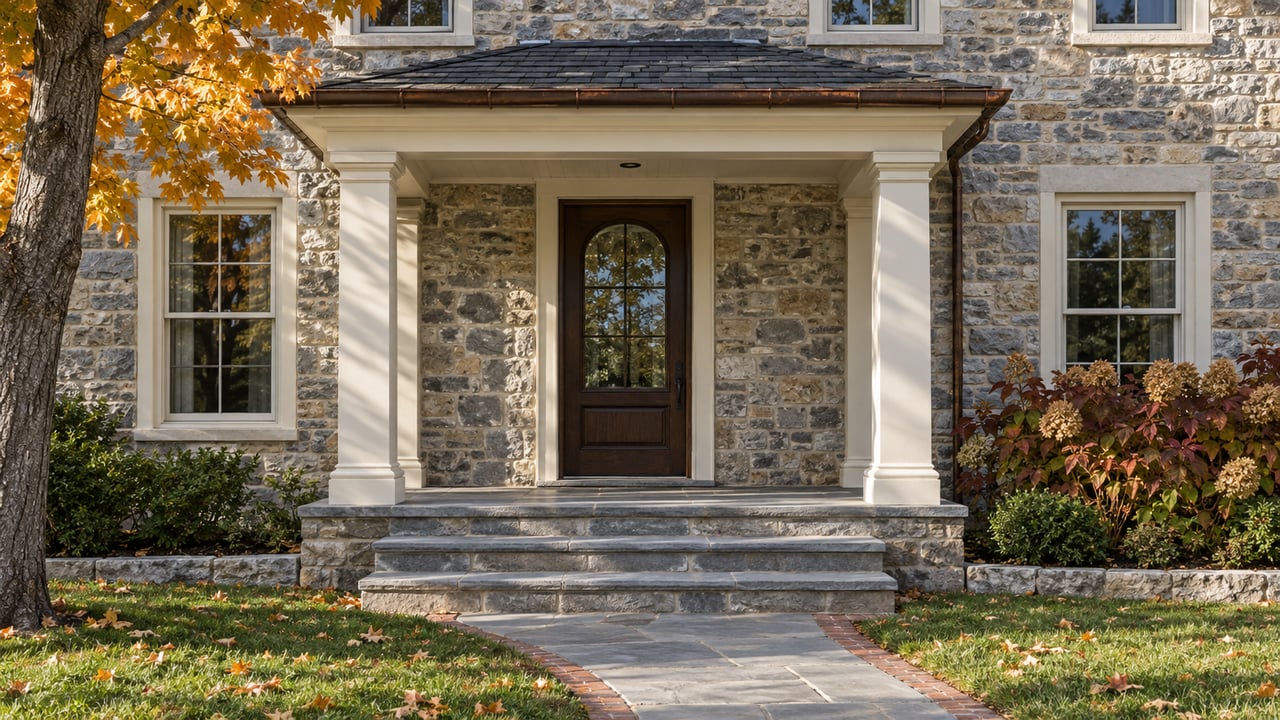
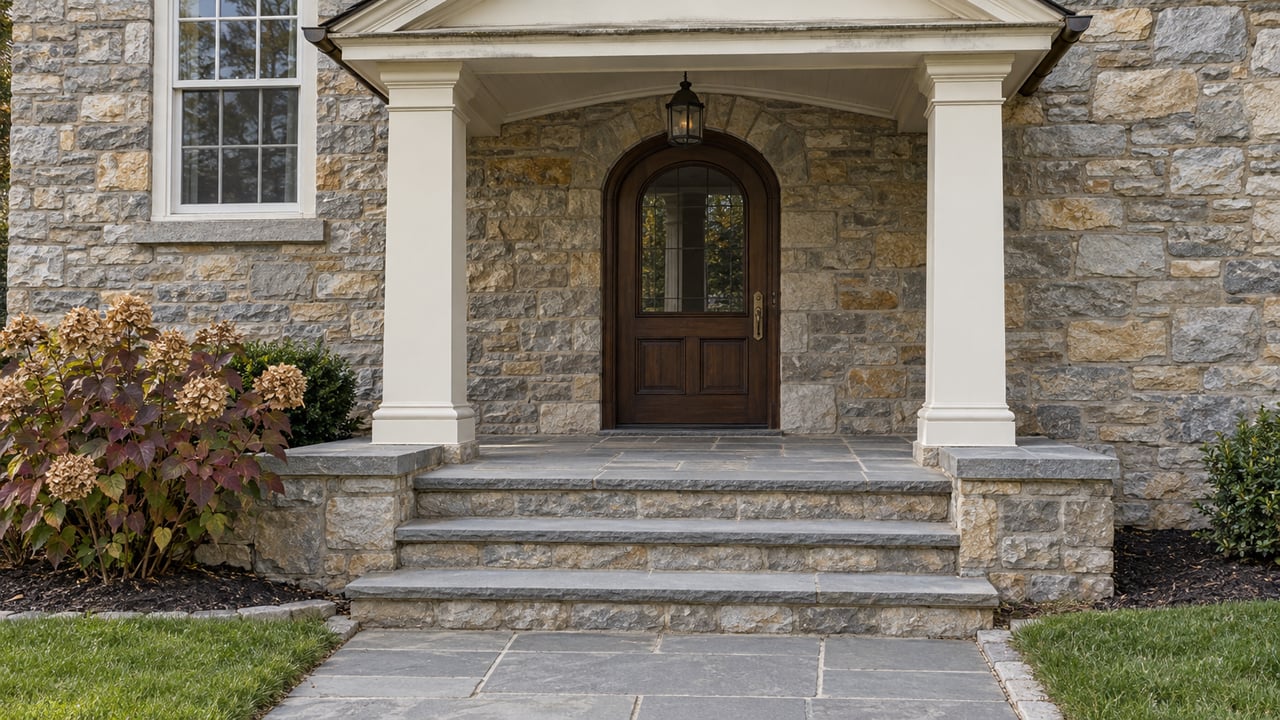
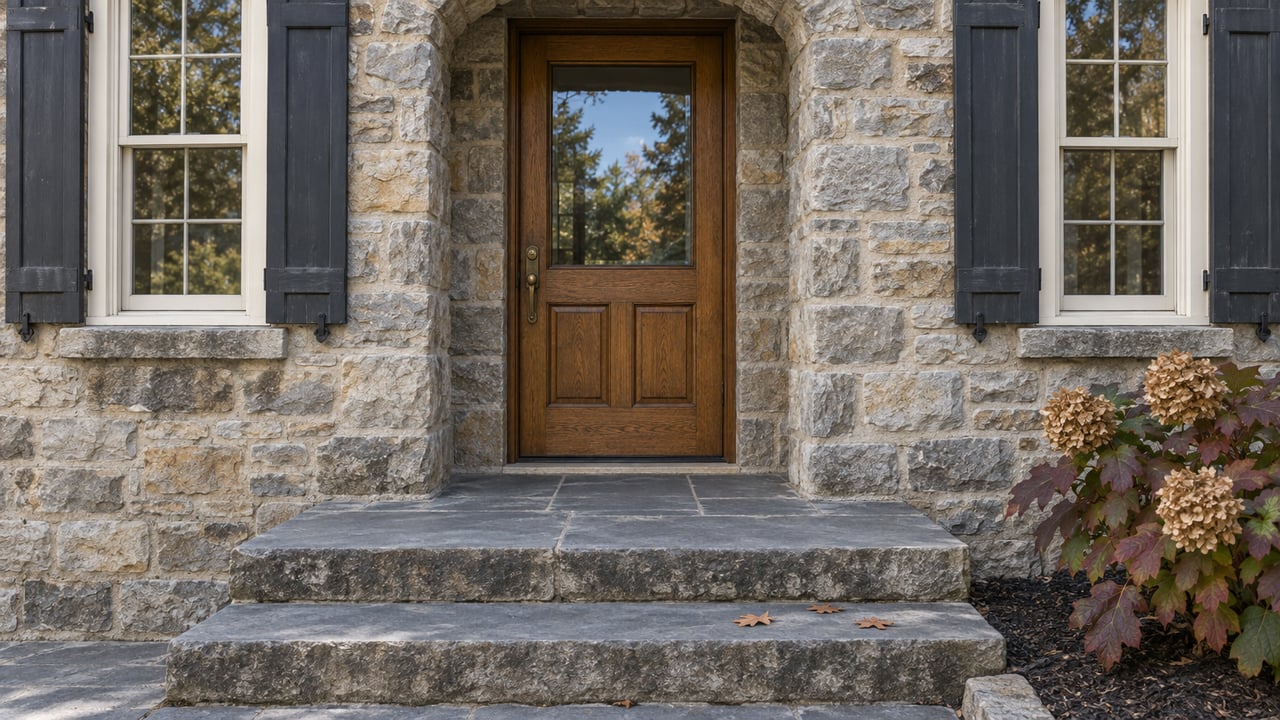
Small exterior wins can carry big impact. Fresh paint at the entry, a new front door, tuned-up landscaping, and clean lighting help your photos pop. In Bethlehem districts, verify that visible exterior changes align with the City’s COA process before you start.
Your 6–18 month plan
If you plan to list in 0–6 months
- Order a pre-listing home inspection to surface safety and system issues early. Allow time to address any must-fix items.
- Fix life-safety and lender-blockers first: electrical hazards, active leaks, heating failures, and obvious trip hazards.
- Tackle fast, high-impact projects: front or garage door replacement, minor kitchen refresh, paint touchups, and landscaping.
- If you are in a Bethlehem district, avoid large exterior projects that might need a COA unless you can meet the City’s submission deadlines listed on the historic districts page.
If you plan to list in 6–12 months
- Consider targeted system upgrades like an electrical panel replacement or HVAC if your inspection flagged issues.
- Evaluate a midrange kitchen or bath update if your comps support it. Use Cost vs Value figures as a prioritization guide, not a guarantee.
- Avoid overspending beyond top neighborhood values. Keep documentation of all permitted work for buyers and appraisers.
If you plan to list in 12–18 months
- Schedule multi-step preservation projects such as masonry repointing, window conservation, and historically appropriate porch repair.
- If in a Bethlehem district, build Historic Board application and City Council approval into your schedule via the City’s district guidance.
- For income-producing properties seeking historic tax credits, confirm eligibility and longer application timelines. Owner-occupied private residences do not qualify for the federal historic rehabilitation tax credit. Review NPS eligibility rules for the federal program and Pennsylvania’s state credit.
Pre-listing inspections and tests
A pre-listing inspection 6 to 12 months before you sell gives you time to plan repairs and eliminate surprises. Depending on age and condition, consider the following:
- Radon testing for all homes, with mitigation if above the EPA action level. See the EPA’s radon map.
- Sewer camera inspection, chimney evaluation, and HVAC service reports.
- Pest or wood-destroying organism inspection where indicated.
- Lead paint risk assessment for pre-1978 homes, especially if you plan to disturb painted surfaces. Review seller duties in the EPA’s lead disclosure rule.
- Asbestos testing if you expect to disturb suspect materials during renovations. Follow the EPA’s renovation and debris guidance.
How to solicit and compare contractor bids
Get at least three written, line-item bids where feasible. Ask each contractor to include:
- A clear scope and what is excluded, with brands, model numbers, and quantities.
- Permits and inspections. Confirm who pulls permits and that work will be inspected per municipal code. If you are in a Bethlehem historic district, factor in the Certificate of Appropriateness process shown on the City’s historic districts page.
- Timeline milestones and a realistic completion date.
- Payment schedule and how change orders are handled.
- Proof of insurance and trade licensing where required. For lead work, ask for RRP firm and renovator certifications per the EPA’s RRP program.
- Warranties, lien waivers, and references with photos of similar jobs.
Vetting matters. Check references and Better Business Bureau complaints, confirm who supervises the work, and avoid large cash payments upfront. The BBB outlines common pitfalls in its guidance on home improvement mistakes to avoid.
Disclosures and documentation to assemble
Pennsylvania requires sellers to disclose known material defects. Keep inspection reports, receipts, and permits to support accurate disclosures. Review the state framework for real estate practice and disclosures in the Pennsylvania Code’s real estate regulations.
If your home was built before 1978, federal lead disclosure is mandatory. Provide buyers with the EPA/HUD pamphlet notice, disclose known information, and give buyers a 10-day window to test unless waived. See the EPA’s Lead-Based Paint Disclosure Rule.
Create a tidy house history packet for marketing and appraisal: permits, invoices, warranties, specs for major work, photos of restoration steps, and any preservation documentation. For background and research ideas, NAR’s guide to historic properties is a helpful overview: Field Guide to Historic Properties.
Quick Palmer Township seller checklist
- Confirm your municipality and whether any Bethlehem historic district rules apply. If Palmer Township, review the Township’s permit list.
- Order a pre-listing inspection 6 to 12 months before listing and triage must-fix items.
- Test for radon. If pre-1978, review lead disclosure steps and plan RRP-compliant work.
- For exterior changes in Bethlehem districts, build the COA process into your schedule using the City’s historic districts page.
- Gather three line-item bids for each repair or update, including permits, insurance, and timelines.
- Assemble your disclosure documents and house history packet for buyers and appraisers.
A note on today’s market
Local dynamics in the Greater Lehigh Valley matter when deciding how far to renovate. Recent reporting from Greater Lehigh Valley Realtors points to a stabilizing market with modest price gains and tighter inventory. In that environment, selective, high-impact fixes can help you stand out without over-investing. See the summary of local trends in this GLVR annual housing report overview.
Ready to tailor a renovation plan to your home and timeline? Our team pairs legal-grade oversight with premium listing prep, from staging to photography to strategic pricing. For a confidential, data-backed plan that respects your home’s character and your bottom line, connect with Shabana Pathan.
FAQs
How do I know if my home is in a Bethlehem historic district?
- Check the City’s map and guidelines for Central Bethlehem HARB, Southside HCC, and Mount Airy HCC on the City’s page for historic and conservation districts. If you are in Palmer Township, Bethlehem’s historic board reviews do not apply, but Palmer permits may.
Which projects need permits in Palmer Township before I sell?
- Structural work, roofing, window replacement, electrical and plumbing typically require permits in Palmer Township. Review the Township’s current requirements on the codes and permits overview and confirm specifics before starting work.
Do owner-occupied historic homes qualify for federal historic tax credits?
- No. The federal 20 percent Historic Rehabilitation Tax Credit applies to certified rehabilitations of income-producing properties, not owner-occupied private residences. See NPS eligibility requirements.
What renovations usually add the most resale value for older homes?
- National averages show strong recoup for minor kitchen remodels and entry or garage doors, with midrange recoup for window replacement and roofing. Results vary by neighborhood. See the latest data at Cost vs Value.
Should I replace or repair my historic wood windows before listing?
- In Bethlehem districts, repair and storms often align best with preservation goals and approvals. Outside districts, weigh character against cost and buyer expectations. NPS offers guidance in the Preservation Briefs.
Do I need to test for radon and disclose lead when I sell?
- Radon testing is recommended statewide, and Northampton County is a higher-potential zone per the EPA’s radon map. For pre-1978 homes, federal lead disclosure is required; see the EPA’s Lead-Based Paint Disclosure Rule.