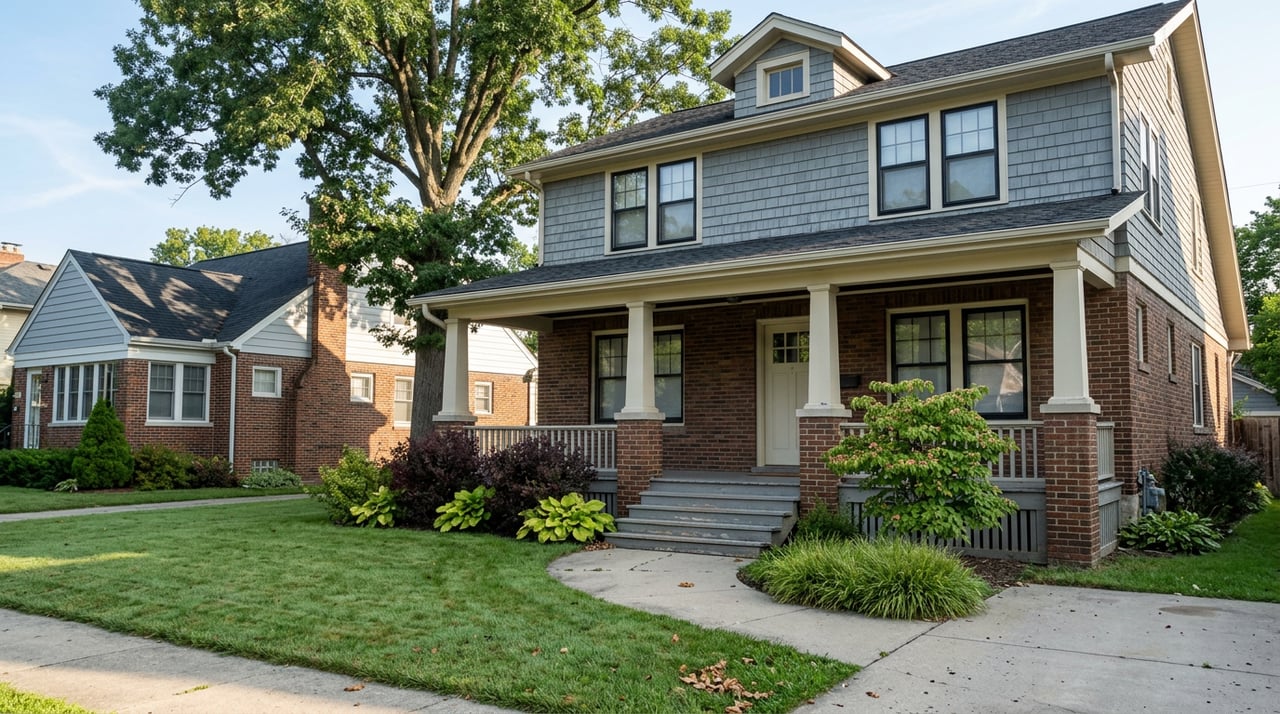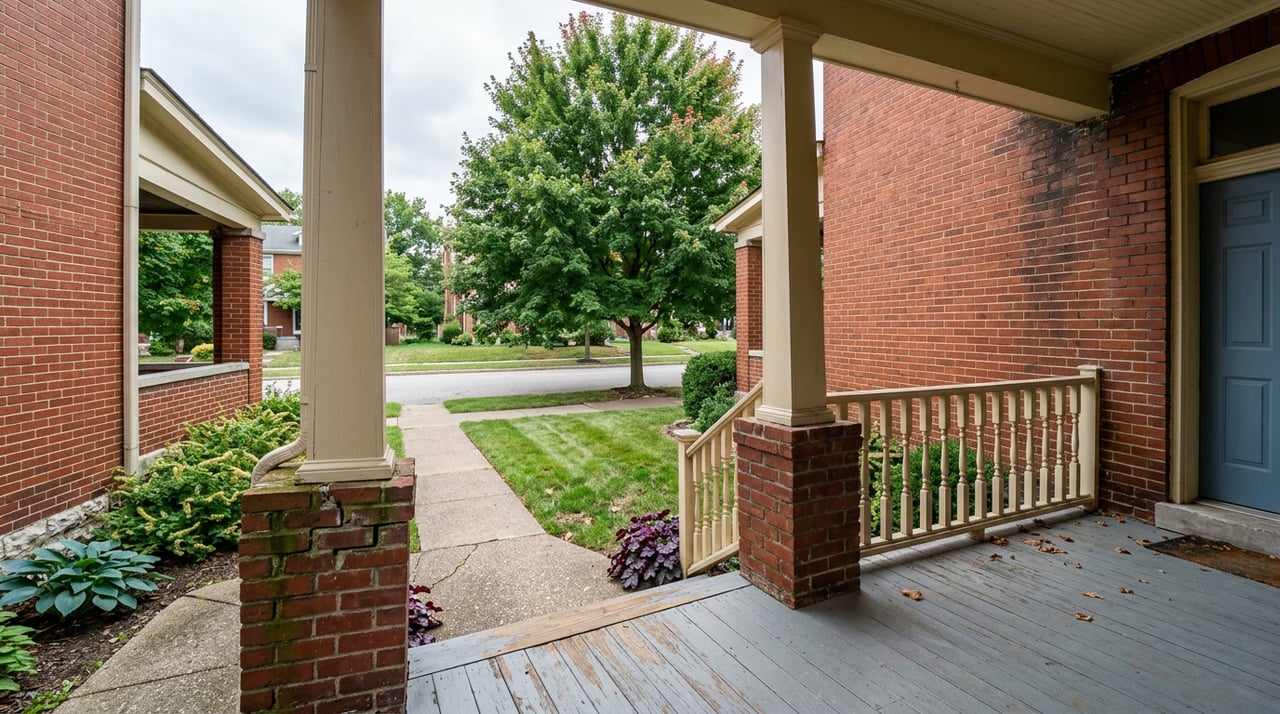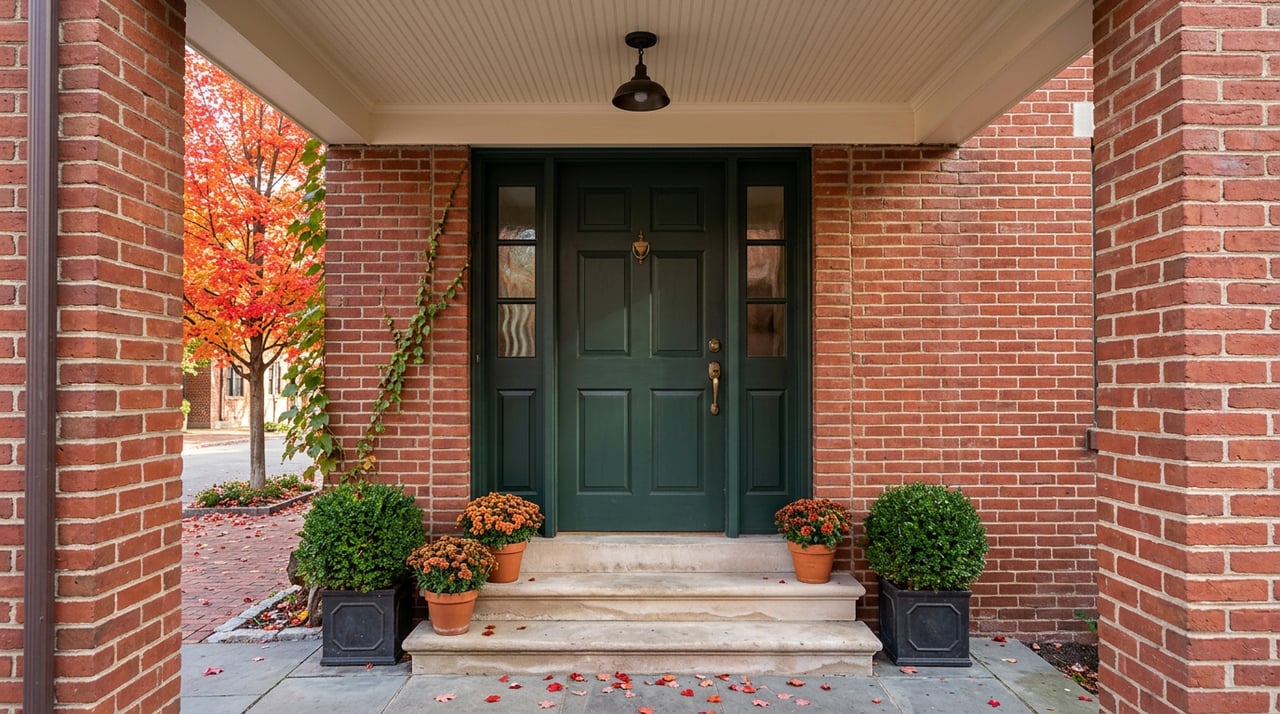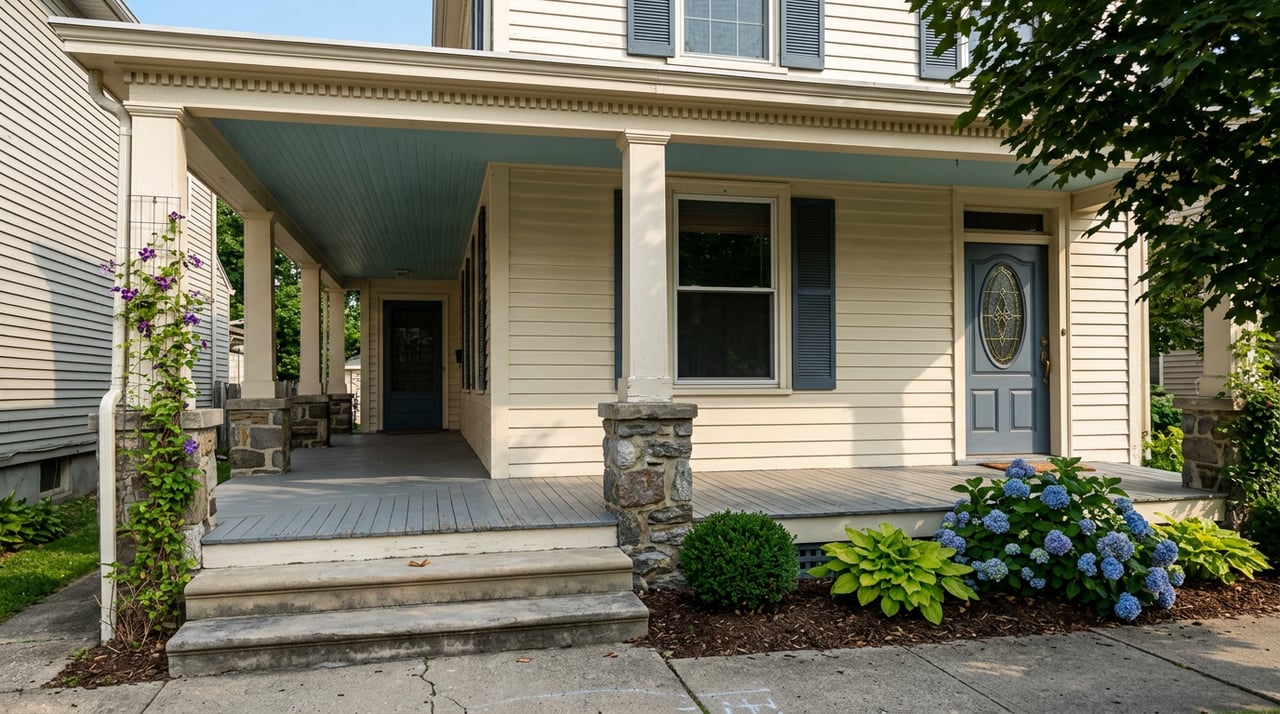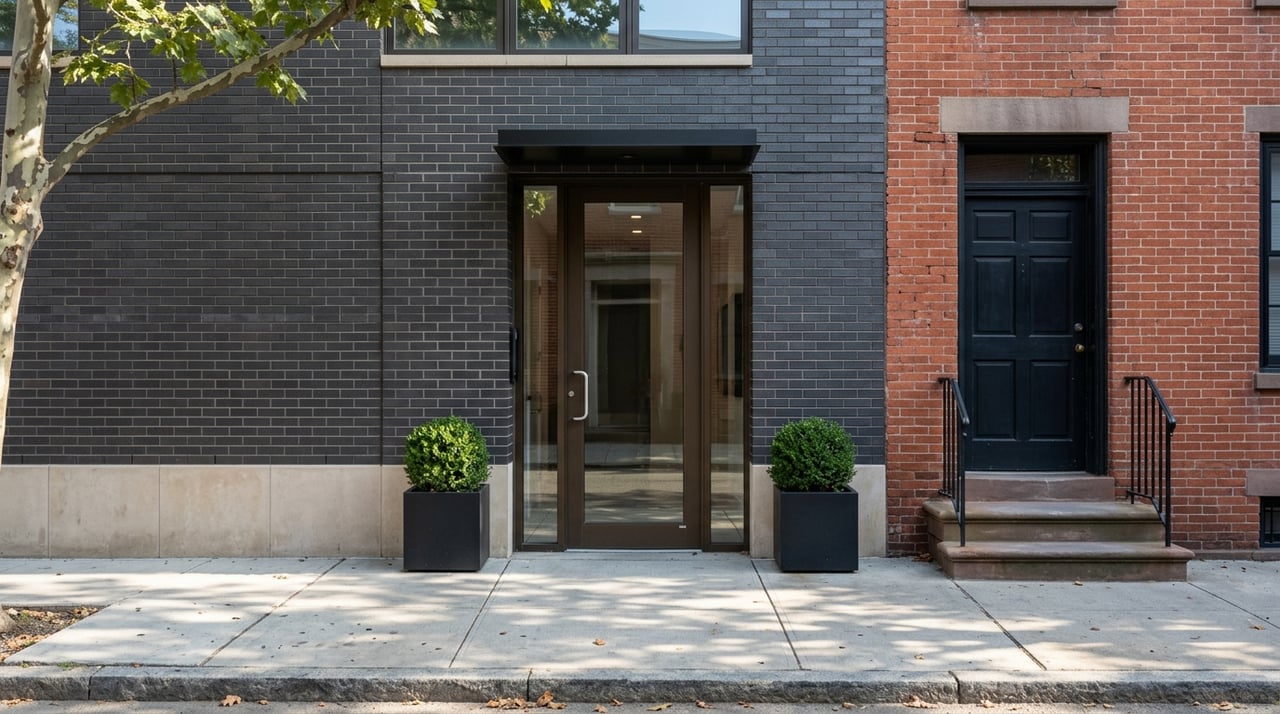
If you are deciding between a downtown Easton condo and a historic home, you are really deciding how you want to live every day. In Easton’s compact downtown, walkability, parking, maintenance, and property rules can shape your experience just as much as square footage or style. The good news is that both options can work well, as long as you match the property type to your priorities. Let’s break down how to choose with confidence.
Why downtown Easton feels different
Downtown Easton is designed around access, not distance. The Easton Main Street district spans a 20-square-block area bordered by the Delaware River, Lehigh River, Bushkill Creek, and Sixth Street, with restaurants, shops, museums, theaters, events, and riverfront attractions close together.
That layout matters when you compare condos and historic homes. Easton’s comprehensive plan supports compact development, mixed-use areas, and easier navigation on foot, which means many downtown addresses offer a lifestyle where errands, dining, and recreation are within a short walk. Easton is also connected to the regional Two Rivers Trailway system, adding another layer of convenience for outdoor access.
If you want a home that supports a more walkable routine, both condos and historic homes can deliver that. The bigger question is how much maintenance, oversight, and parking complexity you are comfortable with.
What you get with a condo
A condo can be a strong fit if you want downtown convenience with fewer exterior responsibilities. In Pennsylvania, condo ownership usually means you own the airspace inside your unit, while sharing ownership of common areas with other owners under the association structure, as outlined in the state’s common-interest ownership report.
In practical terms, that often means the association handles maintenance, repair, and replacement of common elements, while you are responsible for your individual unit. For many buyers, that is the biggest advantage. You get a lower-maintenance lifestyle without taking on the full burden of exterior upkeep.
Condo benefits to consider
A downtown Easton condo may make sense if you value:
- Walkability to restaurants, retail, and events
- Reduced exterior maintenance responsibilities
- A simpler day-to-day ownership experience
- A central location that may suit busy schedules or frequent travel
This setup often appeals to buyers who want convenience and predictability. If you would rather not manage a roof, siding, facade work, or exterior landscaping, condo living can feel much more efficient.
Condo tradeoffs to watch
The tradeoff is that you will depend more on association governance. Pennsylvania does not require all common-interest communities to maintain reserve accounts, according to the same state report, so the quality of the budget, reserve planning, and disclosures matters.
You also need to know exactly what kind of property you are buying. The report warns that listings can blur the difference between a true condo and a townhome or another property type with condo-like fees. That means you should verify the ownership structure instead of relying on marketing language alone.
What you get with a historic home
A historic home in or near downtown Easton offers a very different ownership experience. You may get more architectural character, a more individualized property, and more direct control over the house itself than you would in a condo.
At the same time, historic ownership comes with more hands-on responsibility. Unlike a condo association, a detached home does not have a shared management structure handling common elements for you. In most cases, maintenance and repair decisions fall on you as the owner.
Historic district rules matter
If the property is in Easton’s Local Historic District, visible exterior changes are not simply a matter of personal preference. The city states that exterior renovations or alterations visible from a street, sidewalk, or other public way require a Certificate of Appropriateness, with review by the Historic District Commission before City Council acts.
That does not mean buying a historic home is a bad idea. It means you should go in with clear expectations. You may have more autonomy than you would in a condo, but less flexibility than you would with a non-historic home when it comes to visible exterior changes.
Historic home benefits to consider
A downtown Easton historic home may be the better fit if you value:
- Distinctive architecture and historic character
- More individualized ownership
- Direct control over much of the property itself
- Long-term appreciation for preserved streetscapes and design
For the right buyer, that character is worth the extra work. If the look, feel, and identity of the home matter as much as convenience, a historic property can be very rewarding.
Parking can change the answer
In downtown Easton, parking is not a minor detail. It can be one of the biggest factors separating a great fit from daily frustration.
The city offers downtown parking permits by zone. For 2026, annual resident permits cost $125 for residents ages 64 and under and $70 for residents 65 and over in the Red or Blue zones. Gold passes cost $210 or $110 depending on age. Easton also operates downtown garages, and the N. 4th Street garage charges $2.50 per hour in 2026.
For any condo or historic home you consider, ask whether parking is:
- Deeded
- Assigned
- Permit-based
- Garage-based
- Street-dependent
This is especially important because downtown Easton includes all of those possibilities. Two properties that seem similar online can feel very different in real life once parking is factored in.
The key questions for condo buyers
If you are leaning toward a condo, due diligence matters. Since your ownership experience depends partly on the association, you want a clear picture of how the property is governed and maintained.
Here are the most important items to review:
- Declaration and bylaws
- Current budget
- Reserve funding information
- Any anticipated capital expenditures in the next two years
- Parking rights tied to the unit
- Rental restrictions
- Pet rules
- Insurance responsibilities
- Confirmation of the actual ownership structure
These points flow directly from Pennsylvania’s disclosure and governance framework. They can affect both your monthly costs and your future resale options.
The key questions for historic-home buyers
If you are leaning toward a historic home, your checklist should focus more on ownership responsibility and exterior review requirements. You are not just buying charm. You are also buying the responsibility that comes with preserving and maintaining it.
Start with these questions:
- Is the property inside the Local Historic District?
- Will planned exterior work require a Certificate of Appropriateness?
- What visible updates have already been completed?
- How is the condition of the roof, facade, windows, and exterior materials?
- What is the practical parking plan for daily living?
These questions help you understand not only the home’s condition, but also the process you may face if you want to make future changes.
Resale works differently for each
Both condos and historic homes can resell well in Easton, but buyers evaluate them differently. Recent market snapshots suggest Easton remains active, with Redfin reporting a March 2026 median sale price of $258,000 and an average of 9 days on market, while Zillow reported an average Easton home value of $371,500 and homes going pending in about 10 days as of 3/31/2026. The numbers are not directly comparable, but both point to a market where details matter.
For condos, resale often depends on the health of the association. Buyers pay close attention to fees, reserve planning, upcoming capital work, parking rights, and how easy the ownership structure is to understand.
For historic homes, resale usually depends more on property condition, the quality of renovations, and whether the next buyer is comfortable with historic-district review and downtown parking realities. These are different risk profiles, but both can influence value and marketability.
Which option fits your lifestyle?
If you want a simpler ownership model with less exterior maintenance, a condo may be the better fit. If your schedule is full, you travel often, or you want to enjoy downtown Easton without managing every exterior detail, a condo can align well with that goal.
If you want character, individuality, and more direct ownership control, a historic home may be the better choice. You should be comfortable with more maintenance responsibility and possible review for visible exterior changes, but for many buyers, that is part of the appeal.
A smart decision usually comes down to a few honest questions:
- Do you want convenience or control?
- Are you comfortable with association rules?
- Are you comfortable with historic-district review?
- How important is low-maintenance living?
- How important is architectural character?
- What parking setup will work for your daily life?
The best choice is not the one that sounds better in theory. It is the one that supports how you actually want to live in downtown Easton.
If you want expert guidance comparing downtown Easton properties, Shabana Pathan can help you evaluate the paperwork, ownership structure, parking realities, and long-term resale considerations so you can move forward with clarity.
FAQs
What is the main difference between a downtown Easton condo and a historic home?
- A condo usually offers lower exterior-maintenance responsibility through an association, while a historic home typically gives you more direct control but more maintenance responsibility.
What should you review before buying a condo in downtown Easton?
- You should review the declaration, bylaws, budget, reserve funding, upcoming capital expenditures, parking rights, rental rules, pet rules, insurance responsibilities, and the actual ownership structure.
What should you know before buying a historic home in Easton’s Local Historic District?
- You should confirm whether the property is in the Local Historic District and whether visible exterior changes will require a Certificate of Appropriateness through the city’s review process.
How does parking work for downtown Easton properties?
- Parking can be deeded, assigned, permit-based, garage-based, or street-dependent, so you should verify the exact setup for the specific address before making an offer.
Which type of property is easier to maintain in downtown Easton?
- In most cases, a condo is easier to maintain because the association generally handles common-element upkeep, while a historic detached home places more maintenance responsibility on the owner.
How can resale differ between Easton condos and historic homes?
- Condo resale often depends on association health and transparency, while historic-home resale usually depends more on condition, renovation quality, parking practicality, and buyer comfort with historic-district rules.