Spring can feel like the perfect time to sell, but in Allentown, timing alone is not enough. When homes can go pending in as little as 12 to 23 days depending on the source, your first impression matters fast. If you want to stand out when more listings hit the market, you need a plan that covers repairs, presentation, pricing, and paperwork before your home goes live. Let’s dive in.
Why spring prep matters in Allentown
Allentown is moving at a relatively brisk pace. Current public market trackers show homes going pending or selling in about 12 to 23 days, while Lehigh County is a bit slower at 26 days on market. That means buyers may move quickly, but they are still comparing options once spring inventory starts to rise.
Spring is also when competition tends to build. Zillow says the best national selling window is in late May, and it recommends using April to finish repairs, pricing, and photos. For you as a seller, that means the work should happen before launch, not after your listing is already competing with fresh inventory.
Start with repairs that affect confidence
Before you think about paint colors or throw pillows, focus on issues that can raise buyer concern. In Pennsylvania, sellers must provide a signed and dated disclosure form before the transfer agreement is signed, and that form covers major property conditions such as the roof, basement or crawl space, structural issues, plumbing, heating and air conditioning, electrical systems, appliances, drainage, and legal or title matters.
A smart prep order is simple. Handle the items that can affect safety, water intrusion, structure, and core systems first. Then move to cosmetic improvements and finally gather the records that support your disclosures.
Prioritize major issues first
If your home has a damp basement, an aging roof, outdated wiring, or HVAC concerns, start there. These are the kinds of issues that often surface during inspections and can slow down negotiations. Taking care of them early can help you avoid last-minute surprises once you are under contract.
If you know of a material defect, it is important to disclose it accurately. Pennsylvania law prohibits false or misleading statements and leaving out known material defects. Clear, organized disclosure helps buyers feel more comfortable and can make the transaction smoother.
Consider a pre-list inspection if needed
A pre-list inspection is optional, but it can be useful if your home is older or has deferred maintenance. Consumer guidance cited in the research report notes that common inspection concerns include structural issues, drainage, faulty wiring, HVAC problems, and basic safety items such as smoke and carbon monoxide detectors.
In a competitive spring market, a pre-list inspection can give you time to decide what to repair, what to document, and what to price around. It can be especially helpful for homes with basements, older mechanical systems, or visible wear that buyers are likely to question.
Do not overlook radon in Pennsylvania
Radon deserves special attention in Pennsylvania. The Pennsylvania Department of Environmental Protection says about 40% of tested homes in the state exceed the EPA action level of 4 pCi/L, and testing is the only way to know.
If your home has a basement or lower level, this is worth addressing before listing. The state also notes that if a home has been tested, the results must be disclosed when it is sold. For many Allentown sellers, getting ahead of this issue can reduce uncertainty during the buyer’s due diligence period.
Tackle cosmetic updates buyers notice fast
Once the major items are addressed, move to the visible details that shape a buyer’s first impression. According to NAR’s 2025 staging report, sellers’ agents most often recommend decluttering, full-home cleaning, curb appeal improvements, landscape work, paint touch-ups, and minor repairs.
These updates do not need to be dramatic to make an impact. In a fast market, buyers often form an opinion within moments of entering the home or even while scrolling photos online.
Focus on simple, high-return improvements
You do not need a full renovation to improve marketability. Most sellers benefit from a shorter list of practical updates:
- Deep clean the entire home
- Remove excess furniture and personal items
- Patch wall scuffs and touch up paint
- Replace burned-out bulbs and improve lighting consistency
- Fix loose handles, sticking doors, and small hardware issues
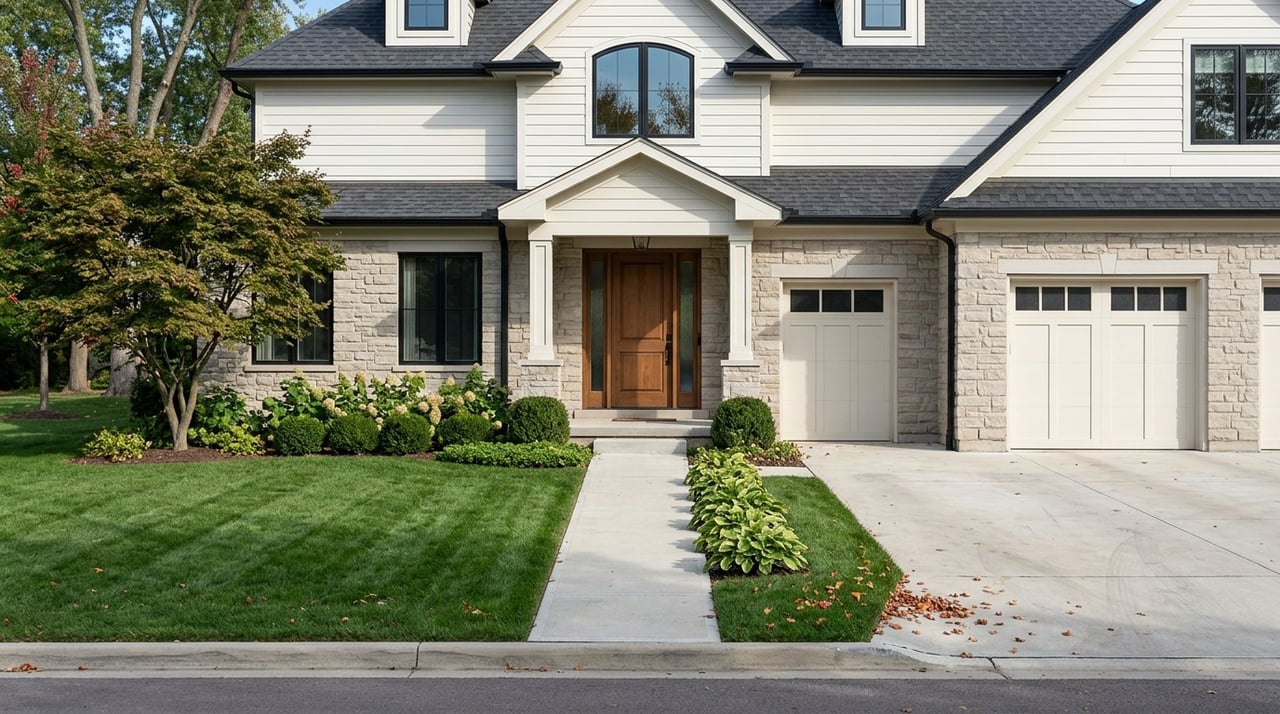
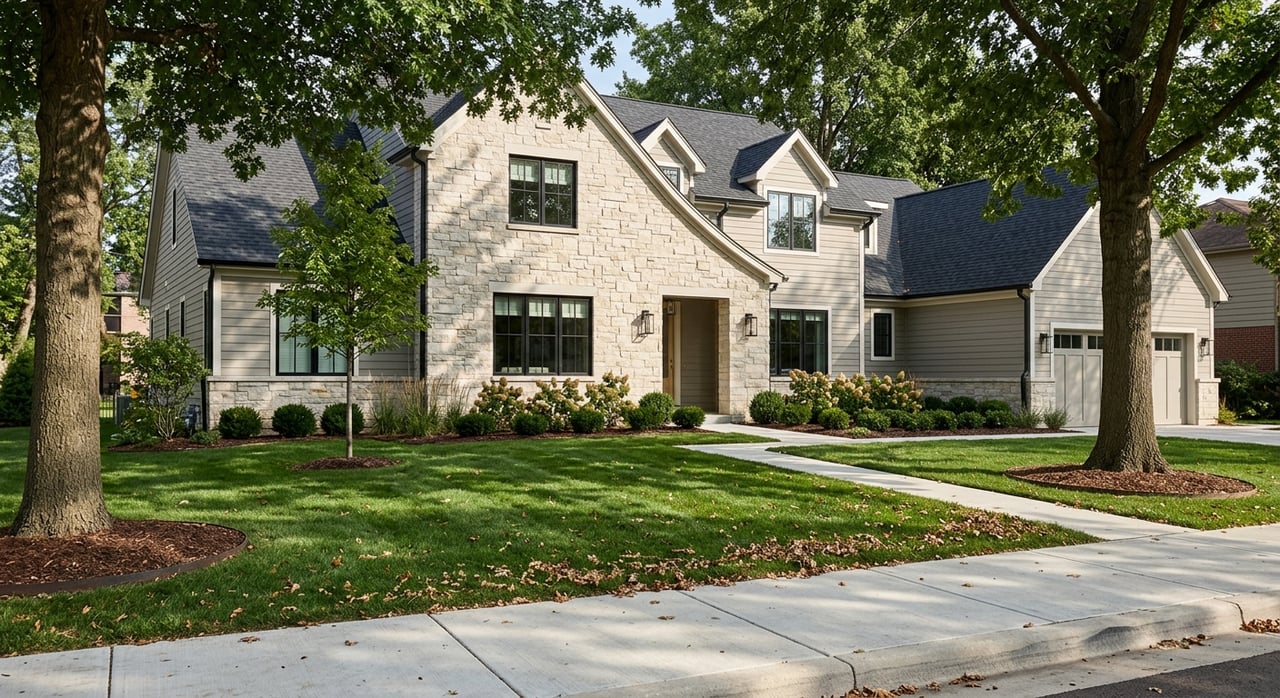
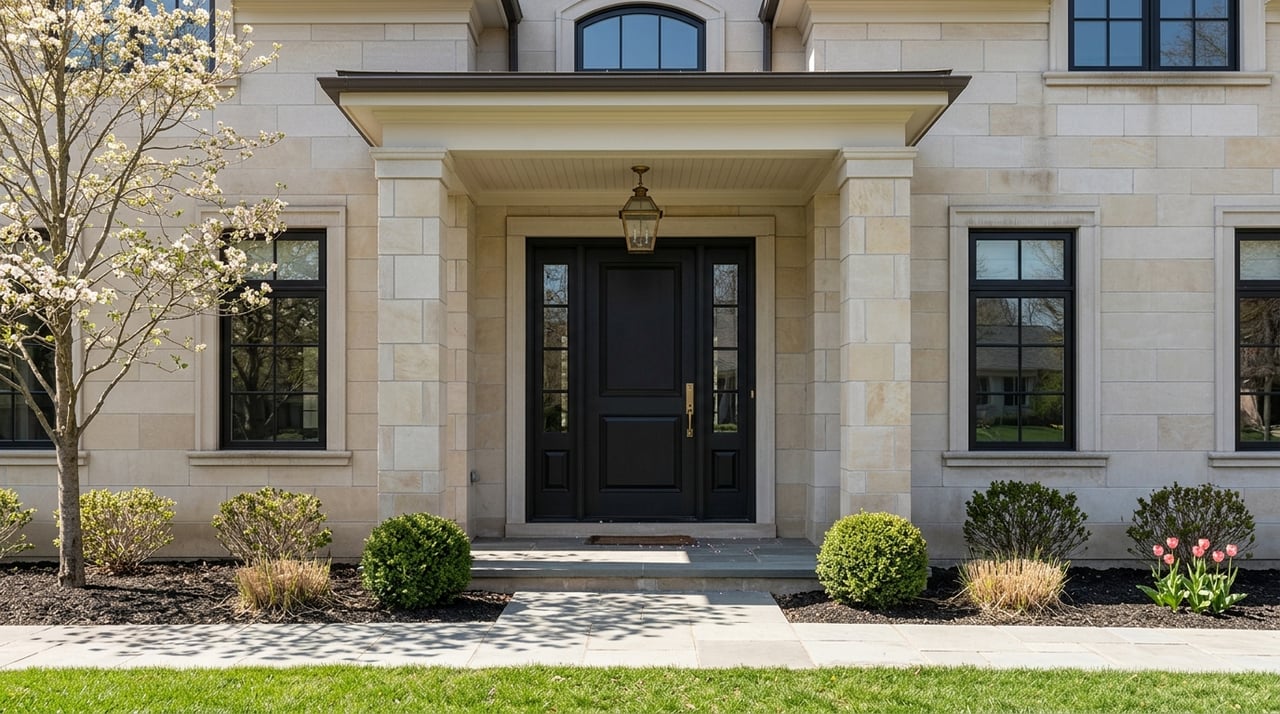
- Refresh landscaping and entry areas
- Make sure bathrooms and kitchens feel clean and bright
The goal is to make the home feel cared for, functional, and easy to picture living in. Buyers tend to react strongly to deferred maintenance, even when the issue is minor.
Stage the rooms that matter most
Staging helps buyers connect with a home more quickly. NAR’s 2025 report says 83% of buyers’ agents believe staging makes it easier for buyers to visualize a property as a future home.
The same report identifies the living room, primary bedroom, and kitchen as the most important rooms to stage. If you are prioritizing your time and budget, start there.
Keep the look clean and intentional
Your staging should support the home, not distract from it. Use a layout that makes rooms feel open, practical, and proportional. Remove anything that makes spaces feel crowded or overly personalized.
For many Allentown sellers, the best approach is light, neutral, and polished. That works especially well once the home is professionally photographed, because online presentation is a major part of how buyers decide which homes to visit.
Get the listing media right
Photos should come after repairs and staging, not before. The research report supports a straightforward sequence: fix obvious defects first, then stage, then photograph.
That order matters because buyers notice inconsistencies. If your home looks polished in person but rushed online, you may lose showings. If it looks polished online but shows visible issues in person, buyers may feel disappointed.
Launch with a complete presentation
A strong spring listing package should feel finished from day one. For the right property, that may include professional photography, 3D tours, and video so buyers can understand the layout and condition before they visit.
This aligns with how many buyers shop now. They compare homes quickly, and the listing that feels most complete often earns the earliest attention.
Match your prep to your Allentown area
Not every part of Allentown performs the same way, so your prep plan should reflect your specific location. Realtor.com neighborhood data in the research report shows Center City at a median list price of $219,500 with 21 days on market, Southside at $299,900 with 21 days on market, West End at $339,000 with 26 days on market, and Eastside at $260,000 with 16 days on market.
ZIP code data also shows a wide spread, from $219,000 in 18102 to $437,400 in 18104. That tells you one important thing: buyers in different parts of Allentown may respond differently to pricing, presentation, and visible condition.
Higher-priced areas may reward elevated presentation
In higher-priced pockets such as 18104 and 18103, a more polished presentation may matter more. Professional staging, strong media, and tighter visual prep can help support value when buyers are comparing your home to other well-presented options.
If your home sits in one of these segments, details can carry extra weight. Buyers may expect a more complete, move-in-ready feel.
Value-driven areas demand pricing discipline
In more affordability-driven areas such as 18102, or in buyer-leaning segments like Eastside based on the research report, overpricing can be less forgiving. Visible maintenance issues may also stand out more because buyers are comparing total cost, not just monthly payment.
In these cases, a realistic pricing strategy and a clean, well-maintained presentation can be more important than high-end extras. The goal is to remove friction and show clear value.
Prepare your paperwork before going live
Spring sellers often focus on the visible work and leave documents for later. That can create stress once offers arrive.
Pennsylvania’s disclosure rules make paperwork a key part of preparation. In addition to your property disclosure, gather receipts, permits, dates of major repairs or replacements, radon test results if applicable, and any condominium or HOA documents if they apply to your property.
Remember that as-is is not a shortcut
Some sellers assume an as-is sale removes most of the prep burden. It does not.
Consumer guidance cited in the research report makes an important distinction: an as-is listing means you are not promising repairs, but it does not remove your disclosure obligations. If you know about a material issue, you still need to disclose it.
Your spring prep checklist
If you want a practical way to stay on track, use this order:
- Review known issues in the home
- Address safety, water, structural, and mechanical concerns
- Decide whether a pre-list inspection makes sense
- Consider radon testing, especially for basement-level homes
- Complete cosmetic touch-ups and deep cleaning
- Declutter and stage key rooms
- Gather receipts, permits, and disclosure details
- Finalize pricing before peak spring competition
- Schedule photography and any 3D or video marketing
- Launch with a polished, complete presentation
Why preparation can shape your outcome
In a market like Allentown, where listings can move quickly, buyers often make decisions based on a mix of speed and confidence. They are not just asking whether they like the house. They are also asking whether the home feels well maintained, fairly priced, and worth acting on now.
That is why preparation matters so much in spring. When your repairs are handled, your disclosures are organized, and your presentation is polished, you give buyers fewer reasons to hesitate and more reasons to compete.
If you are thinking about selling this spring in Allentown, the right preparation can make the launch feel calmer and the results stronger. The Shabana Pathan Group can help you build a smart pre-list plan with staging guidance, premium marketing, and clear, strategic support from start to finish.
FAQs
What is the spring home-selling timeline in Allentown?
- In Allentown, current market trackers in the research report show homes moving in about 12 to 23 days depending on the source, so it helps to finish repairs, pricing, and listing media before the spring inventory surge.
What repairs should Allentown sellers do before listing?
- Start with safety, water intrusion, structural, and mechanical issues, then move to cosmetic fixes like paint touch-ups, cleaning, curb appeal, and minor repairs.
Do Pennsylvania home sellers need to complete a disclosure form?
- Yes. Pennsylvania requires sellers to provide a signed and dated property disclosure before the transfer agreement is signed, and it must address known material conditions and defects.
Should you get a pre-list inspection before selling in Allentown?
- A pre-list inspection is optional, but it can be helpful for older homes or properties with basements, aging roofs, older systems, or deferred maintenance.
Is radon important when selling a home in Allentown?
- Yes. Pennsylvania reports that about 40% of tested homes exceed the action level, so radon is worth considering, especially if your home has a basement or lower level.
Which rooms should sellers stage before listing an Allentown home?
- The research report identifies the living room, primary bedroom, and kitchen as the most important rooms to stage because they help buyers picture the home more easily.