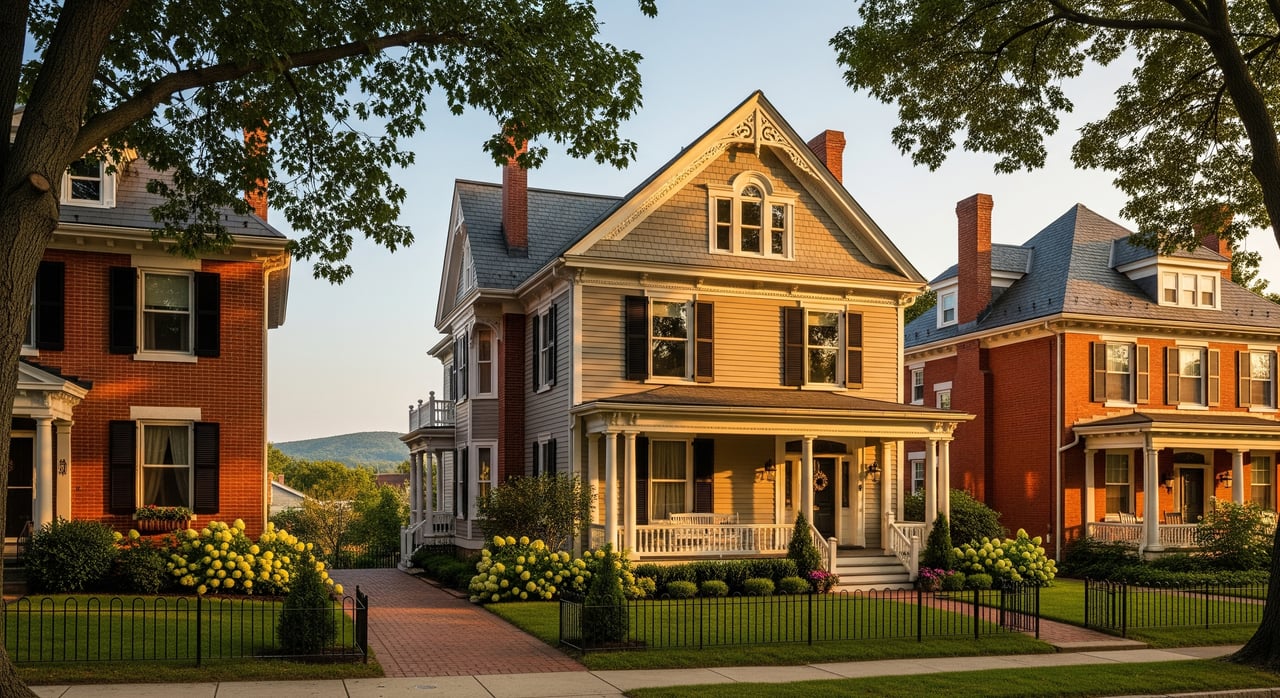
Picture yourself grabbing coffee on Main Street before a short stroll home, or pulling into a quiet cul‑de‑sac with a spacious backyard and a two‑car garage. In Nazareth, you can have either lifestyle, and knowing where to look makes all the difference. If you are comparing the historic borough core to nearby township subdivisions, this guide will help you focus your search, understand common home styles, and plan next steps with confidence. Let’s dive in.
How Nazareth fits in the Lehigh Valley
Nazareth sits within the Allentown–Bethlehem–Easton metro, also called the Lehigh Valley. Many buyers work across the region and choose Nazareth for its small‑town feel with access to larger job centers. Drives connect to regional routes and interstates like I‑78, and travel time depends on whether you live in the borough or the surrounding townships.
Local anchors include Nazareth’s historic downtown, parks and recreation spaces, and the presence of community institutions. The Nazareth Area School District serves the area, and buyers often consider district boundaries as they compare neighborhoods. You will also find regional services like hospitals in Allentown and Bethlehem and Lehigh Valley International Airport within a typical suburban driving range.
Neighborhood types at a glance
Below are the major residential patterns you will see in and around Nazareth, along with typical features and what they mean for your lifestyle.
Historic borough core
The borough center offers a compact, walkable grid around Main Street and Center Street. Mature trees, sidewalks, and close proximity to shops and civic buildings define the area.
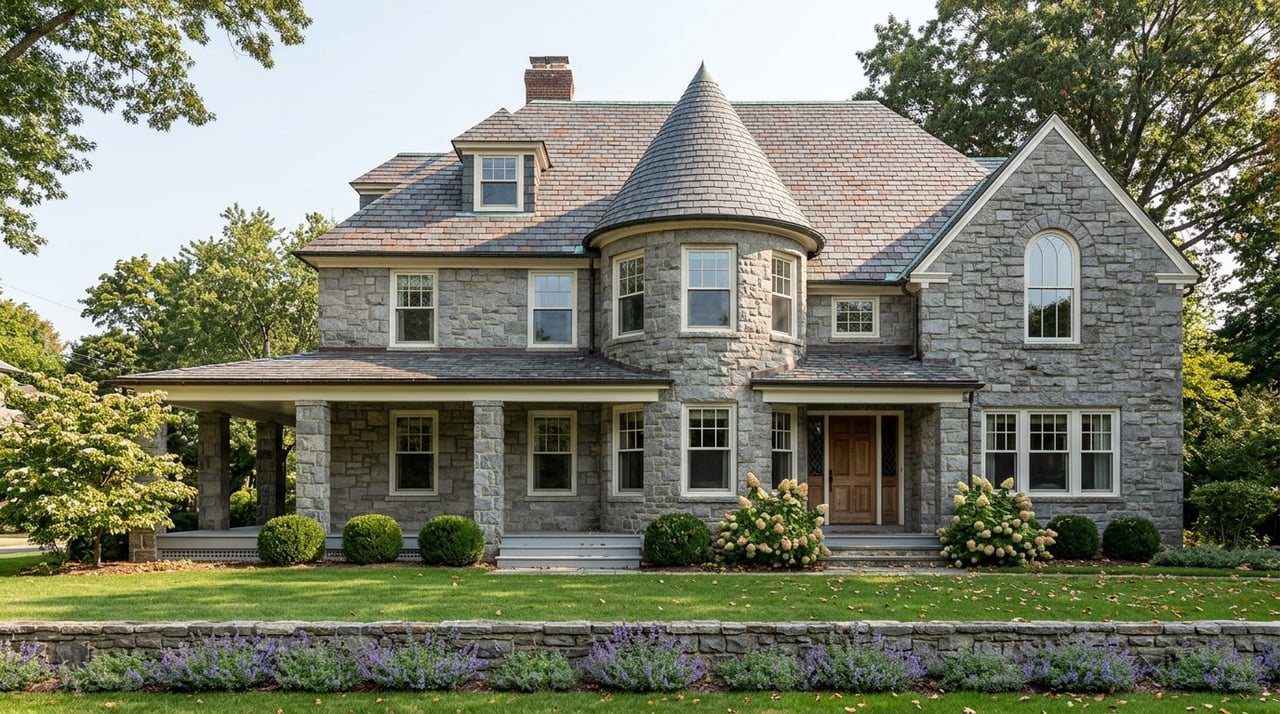
Homes are primarily older, from the 18th through early 20th centuries. You will see Colonial and Federal facades, Victorian influences like Queen Anne and Italianate details, and some Greek Revival elements. Lots are smaller, with modest frontages and backyard spaces compared with suburban subdivisions.
Buyers choose the borough for walkability and historic character. If you value being close to local dining and community life, this area delivers. Plan for possible updates to older systems and confirm whether any local historic design review requirements apply before exterior changes.
Early to mid 20th century streets (near the core)
Just beyond the center, you will find single‑family homes built from the early 1900s through the 1960s. Styles include bungalows, early ranches, Colonial Revival forms, and modest Victorian derivatives.
Lots are typically larger than those in the heart of town while still walkable to some amenities. These homes can offer a balance of period character and more interior space, along with yards that work well for everyday outdoor use.
Post‑war and township subdivisions
In Lower Nazareth, Upper Nazareth, nearby Palmer Township, and adjacent municipalities, you will see planned subdivisions developed from the mid‑20th century onward. Streets are often curvilinear with cul‑de‑sacs and community open space.
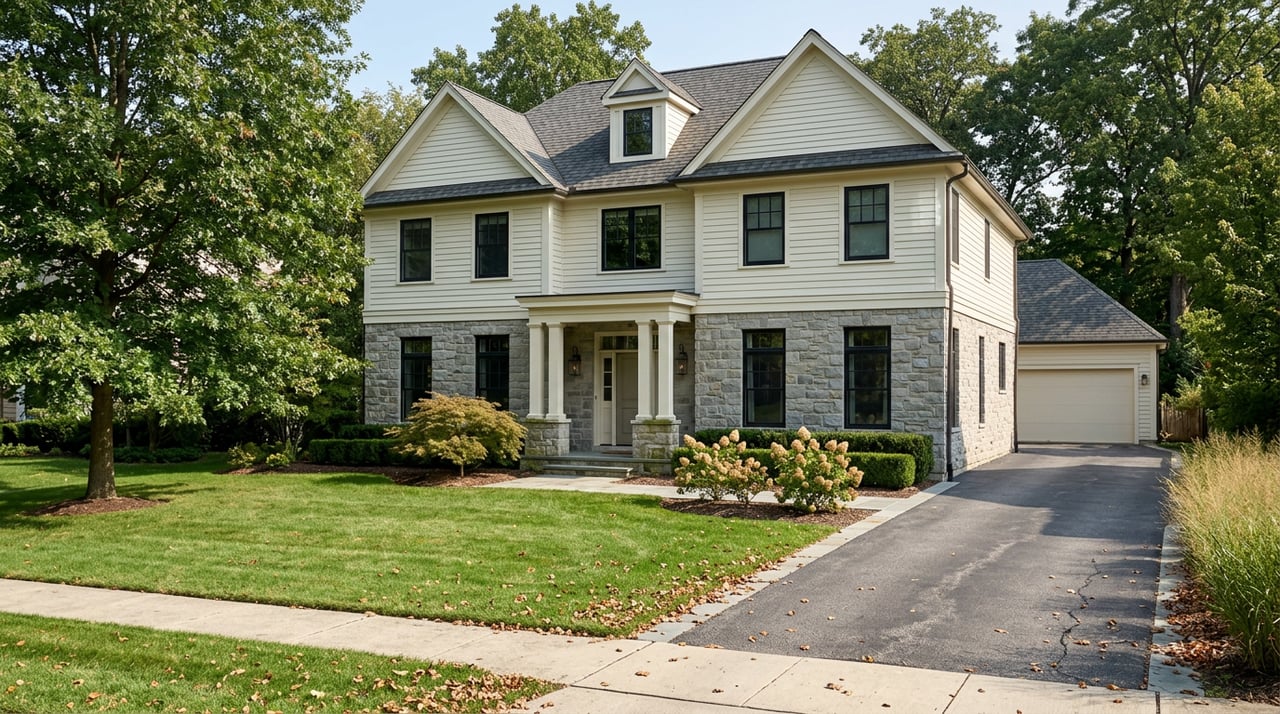
Common home types include ranches, split‑levels, traditional two‑story Colonials, and later suburban homes with attached garages. Lots often range from about a quarter to three‑quarters of an acre, though some modern developments feature smaller, lower‑maintenance parcels or townhomes.
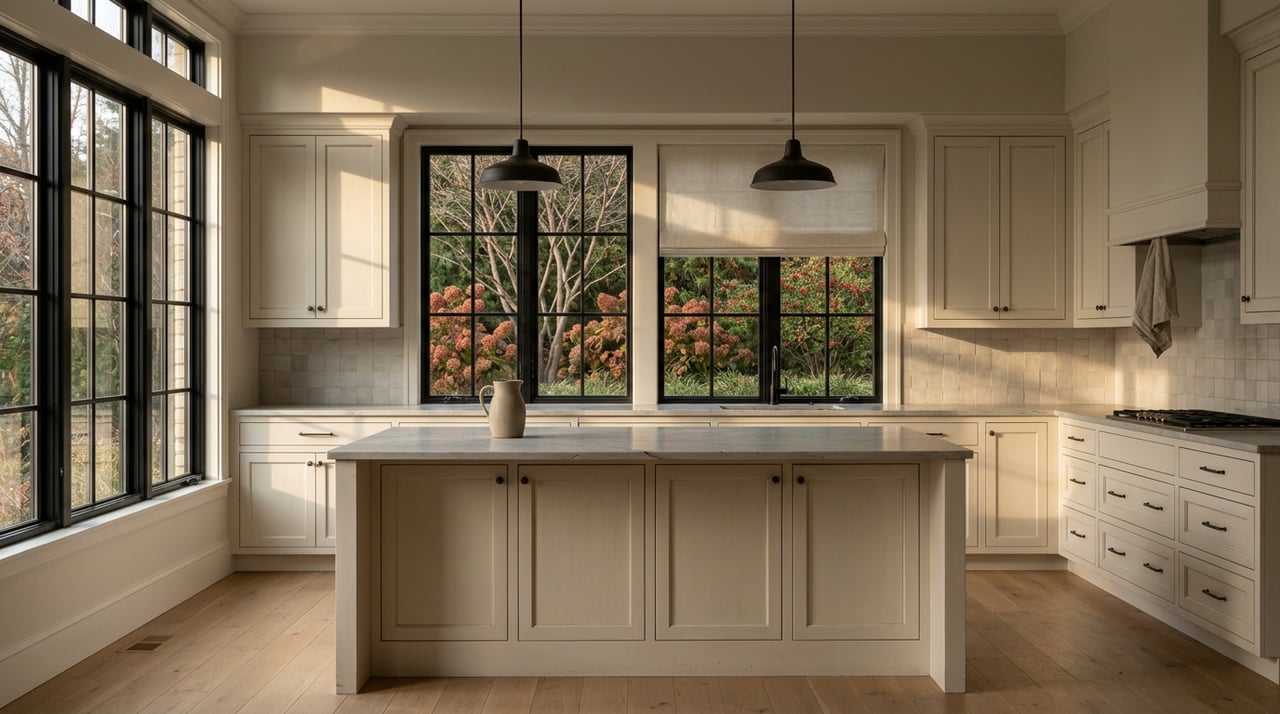
Buyers choose these areas for larger interiors, attached garages, newer kitchens and bathrooms, and access to newer parks and schools. Utilities vary. Some subdivisions connect to public water and sewer, while others use well and septic. Always verify for each property.
Newer developments and luxury infill
From the late 1990s to today, new communities and infill projects have added larger floor plans, open layouts, energy‑efficient construction, and neighborhood amenities like playgrounds and HOA‑maintained spaces.
These homes attract move‑up buyers who want modern design, flexible spaces for work or guests, and lower maintenance. Newer construction often commands a premium per square foot, and resale value can be influenced by the builder’s reputation, lot position, and community offerings.
Rural and exurban properties
Farther out, you will encounter larger lots, farmland conversions, and hobby or horse properties. Privacy, acreage, and lower density living are the main draws here.
Expect longer drives to regional job centers and plan for more independent utilities and property maintenance. If you want room for gardens, outdoor projects, or small agricultural uses, this category may be a strong fit.
Architectural styles you will see
Understanding the common styles helps you read listing photos quickly and set realistic expectations for maintenance and updates.
- Colonial and Federal: Symmetrical fronts, centered entries, double‑hung windows. Often found in the borough, some dating to early periods.
- Victorian influences: Queen Anne and Italianate details with decorative trim, porches, and bay windows. Expect irregular massing and period charm.
- Greek Revival and Gothic Revival: Occasional mid‑19th‑century elements such as columned porches or pointed window forms.
- Bungalow and Craftsman: 1910s to 1930s one to one‑and‑a‑half story homes with wide front porches and practical floor plans.
- Mid‑century ranch: Single‑story plans with attached garages and simple rooflines, common in post‑war neighborhoods.
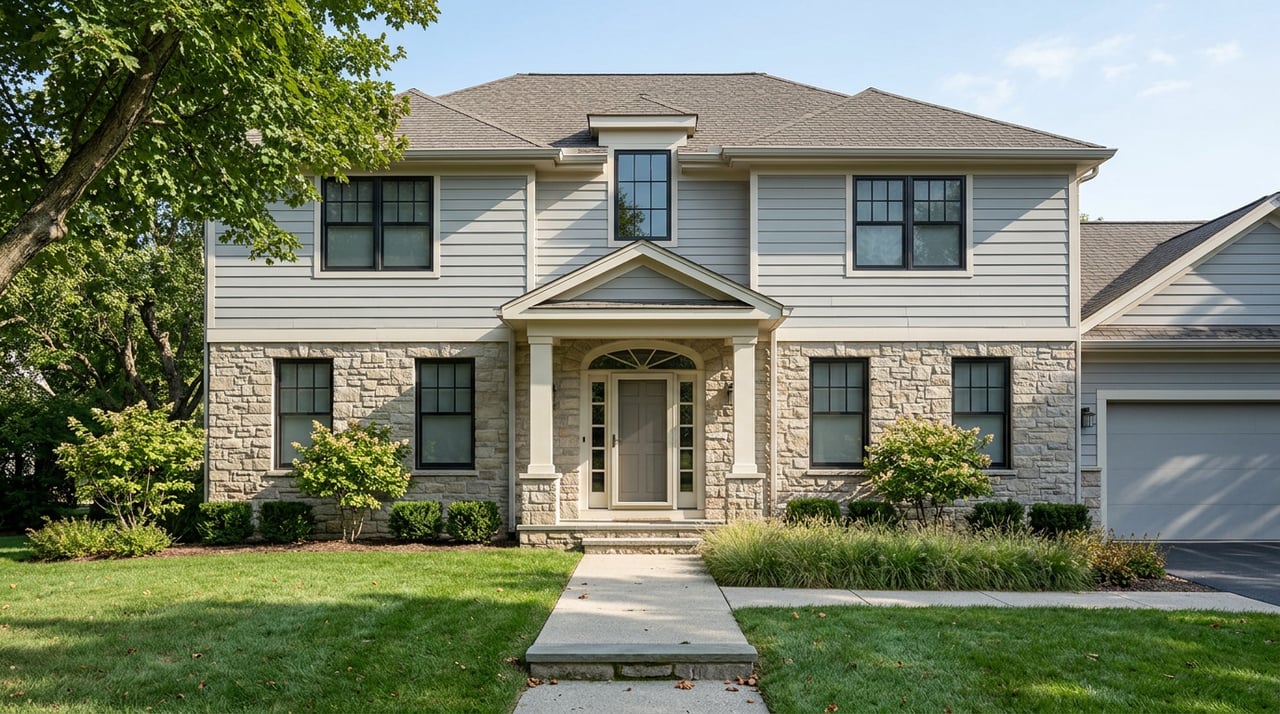
- Contemporary suburban: Two‑story Colonials or neo‑traditional designs with open main levels, primary suites, and 2–3 car garages.
By vintage, system expectations often follow a pattern. Pre‑1950s homes may have older wiring, oil heat history, and masonry or balloon framing. 1950s to 1980s properties typically have updated electrical and varied HVAC. Post‑1990s homes usually feature modern insulation and forced‑air gas or heat pump systems.
Borough vs suburbs: what fits you
Use the quick comparison below to clarify priorities as you tour both settings.
Walkability
- Borough: Highest walkability to shops and dining.
- Subdivisions and rural: Lower walkability, higher privacy.
Lot size and outdoor space
- Borough: Smaller parcels, modest yards.
- Subdivisions: Quarter to three‑quarters of an acre typical. Some newer communities have smaller, low‑maintenance lots.
- Rural: One acre or more is common.
Age and condition
- Borough and early neighborhoods: Older structures with potential system upgrades. Budget for electrical, insulation, window, roof, and kitchen or bath updates as needed.
- Newer subdivisions: Modern systems and layouts reduce near‑term projects.
Utilities and services
- Borough: Many homes connect to municipal water and sewer.
- Outlying areas: Mix of public utilities and well/septic. Confirm property by property.
Price dynamics
- Renovated historic homes can carry a premium on a per‑square‑foot basis due to character and location.
- Newer homes often have higher total prices because of larger square footage and amenities.
- Always review current MLS data for up‑to‑date medians and days on market.
HOA and community amenities
- Borough: Typically no HOA.
- Newer subdivisions: Possible HOA with common area maintenance, playgrounds, or restrictions. Review documents during due diligence.
Commute, schools, and services
Commute time depends on your starting point. The borough core offers quick access to Nazareth’s downtown and regional connectors, while township and rural homes trade proximity for space and privacy. Test your route during peak hours to set realistic expectations.
The Nazareth Area School District is an important factor for many buyers. Confirm current boundaries and program details directly with the district. Use neutral, factual information as you compare neighborhoods within the district.
Municipal services differ between the borough and surrounding townships. Verify whether a property is on public water and sewer or has well and septic, and ask about trash, recycling, and snow removal. If a property is near a creek or low‑lying area, consult flood maps as part of your due diligence.
Property taxes vary by municipality. Factor the local millage rate and assessed value into your total monthly housing cost. A side‑by‑side comparison of several target homes in different municipalities will clarify the true cost difference.
Smart buying checklist for Nazareth
Use this list to organize your search and avoid surprises.
Define your tradeoffs
- Rank walkability, lot size, commute, and interior layout. Decide what is essential versus nice to have.
Verify utilities and services
- Confirm public water and sewer versus well and septic, and ask about trash and recycling. Review any HOA fees and rules.
Budget for age‑related updates
- For older homes, plan for electrical, insulation, window, roof, and HVAC updates as needed. Get estimates early.
Test the commute
- Drive your route during weekday rush periods from each short‑listed property.
Review schools neutrally
- Check the Nazareth Area School District boundary map and school reports directly with the district.
Check floodplains and site conditions
- Review flood maps and walk the property after rain when possible.
Confirm zoning and any historic guidelines
- Ask the borough or township office about exterior change rules, permits, and any overlays.
Analyze taxes and total cost
- Compare tax rates across municipalities and calculate monthly payments including taxes, insurance, and utilities.
Ground your offer in current data
- Ask your agent for the latest MLS comps, inventory levels, and days on market for your specific micro‑area.
How SPG helps you move with confidence
Choosing between a stately borough home and a newer township build is easier with the right partner. The Shabana Pathan Group combines legal‑grade transaction expertise with premium, Luxury Presence marketing and a full‑service team approach. You get clear guidance on neighborhood nuances, meticulous offer strategy, and coordinated due diligence from start to finish.
Relocating from New York or New Jersey? SPG provides cross‑state logistics, neighborhood previews, and on‑the‑ground tour support. Whether you are upsizing to a newer two‑story Colonial or drawn to the charm of a 19th‑century façade near Main Street, our systems help you compare options, manage risk, and secure the right fit.
Ready to explore Nazareth with a local expert who knows both the borough blocks and the township cul‑de‑sacs? Connect with Shabana Pathan to Schedule a Confidential Consultation.
FAQs
What are the key differences between Nazareth Borough and nearby subdivisions?
- The borough offers walkability and historic homes on smaller lots, while township subdivisions provide larger yards, attached garages, and newer systems with lower walkability.
Are older homes in Nazareth expensive to maintain?
- They can be if systems are due for updates; plan for electrical, insulation, window, roof, HVAC, and kitchen or bath work and confirm needs with a thorough inspection.
Do Nazareth properties use public sewer and water or well and septic?
- Many borough homes are on municipal water and sewer, while outlying and rural areas may use well and septic; verify utilities for each property.
Are there historic district rules that affect renovations?
- Possibly; confirm with the Nazareth Borough office whether any historic designation or design review applies before planning exterior changes.
Which areas offer better walkability versus larger yards in Nazareth?
- The borough core delivers the highest walkability, while township subdivisions and rural properties trade walkability for larger outdoor space and privacy.