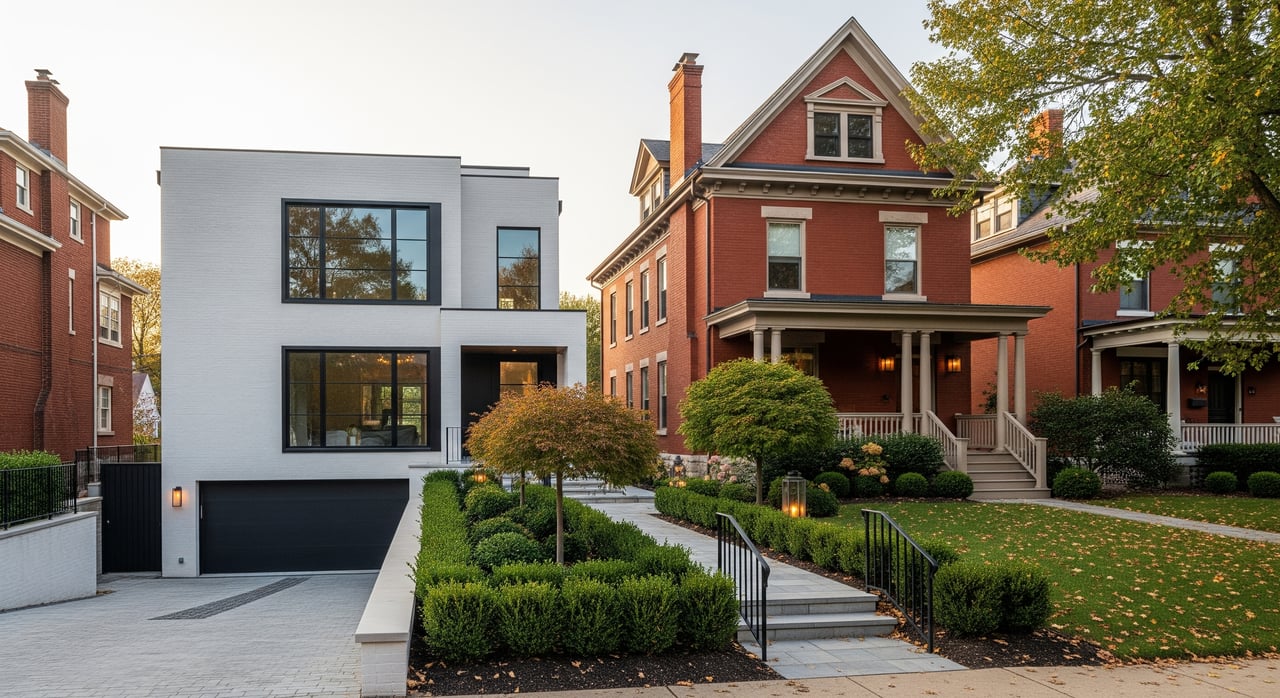
Should you buy a brand-new home or a character-filled resale in Allentown? The choice affects your budget, maintenance, timeline, and daily lifestyle. If you want modern layouts and lower short-term upkeep, new construction is appealing. If you value architectural detail, mature trees, and central location, a resale might be the better fit. In this guide, you’ll learn how both options compare across cost, warranties, neighborhood feel, lot size, and timelines so you can move forward with confidence. Let’s dive in.
New construction at a glance
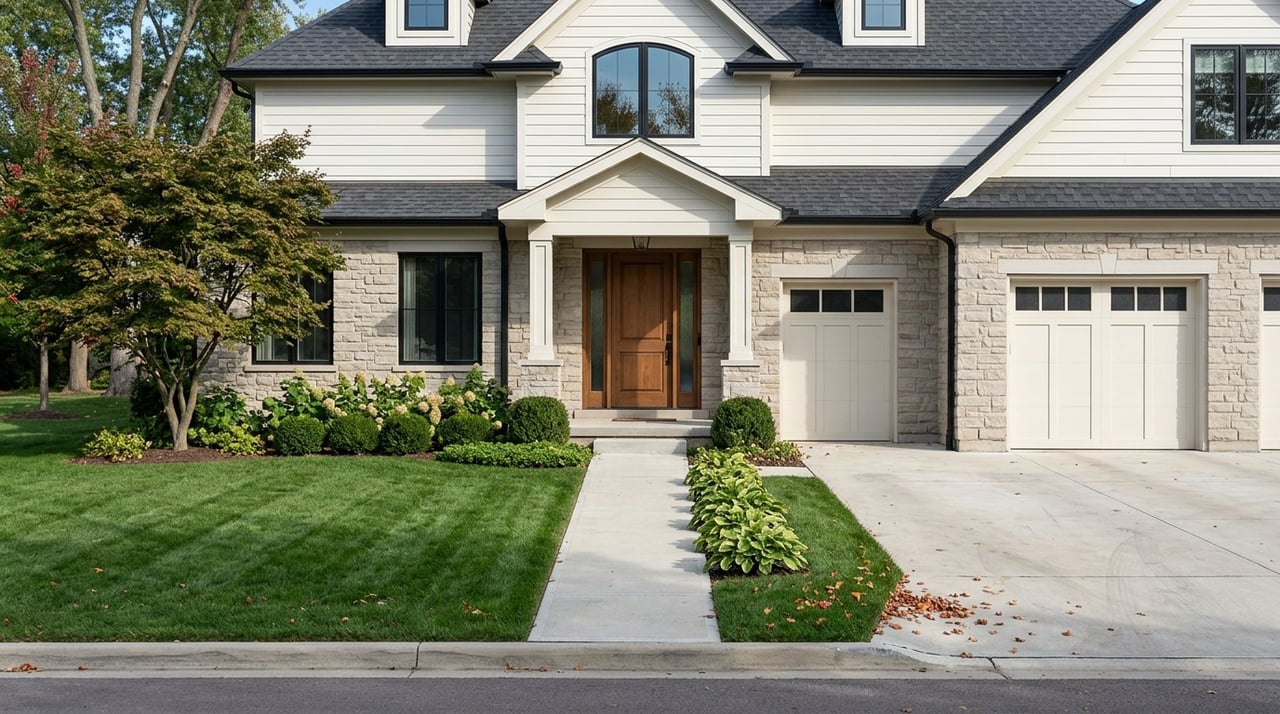
New homes in and around Allentown come in two main forms: infill townhomes or small-lot single-family inside or near the city, and larger-lot communities or custom builds in nearby townships like Upper Macungie, Lower Macungie, Salisbury, and Whitehall.
Key advantages
- Modern layouts, energy-efficient systems, and contemporary finishes.
- Lower near-term maintenance, plus builder warranties for added protection.
- Opportunity to choose finishes or upgrades if you buy early in the build.
Common tradeoffs
- Typically higher upfront prices than similarly sized resales, depending on builder and upgrades.
- Less mature landscaping and smaller urban lots for infill builds.
- Longer timelines from contract to closing if the home is not already under construction.
Resale homes at a glance
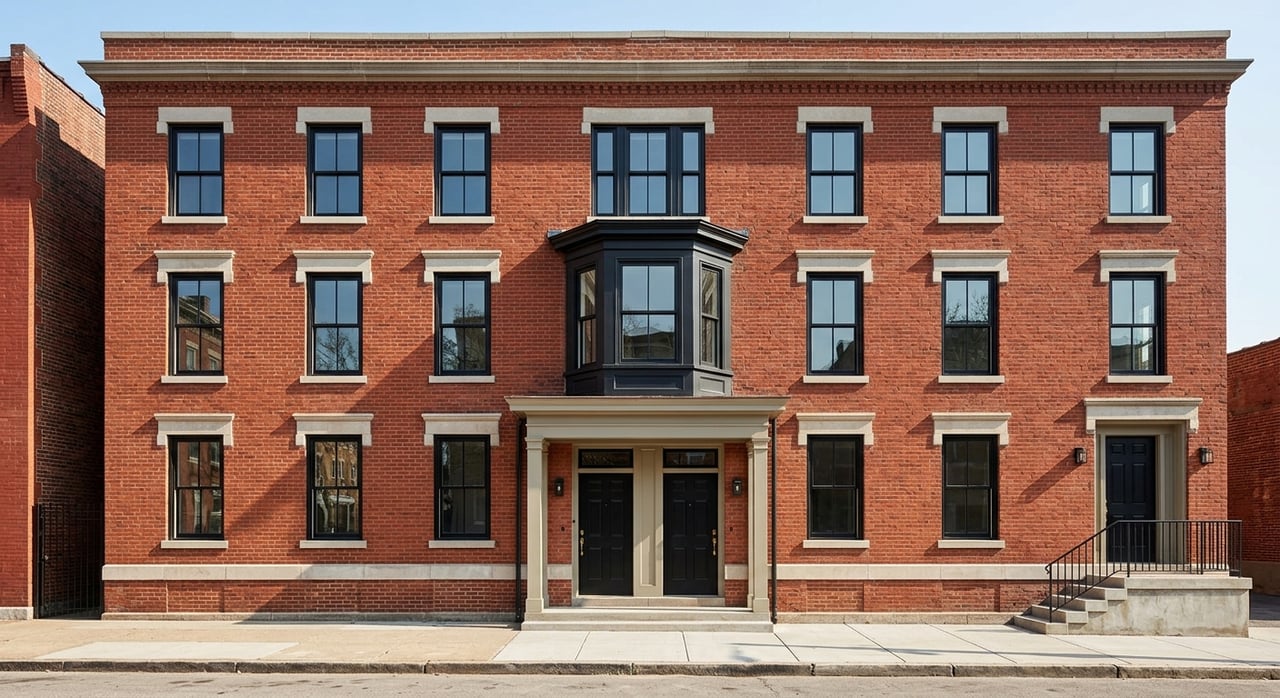
Allentown’s resale market features late-19th-century rowhomes and single-family homes, early and mid-20th-century bungalows and colonials, and mid-century ranches in older suburbs. Neighborhoods like Old Allentown, the West End, and South Side offer a range of styles and walkable settings.
Key advantages
- Architectural character, mature trees, and established streetscapes.
- Often lower purchase prices compared to suburban new builds when adjusted for location and lot size.
- Central access to downtown amenities and parks, with varied housing options.
Common tradeoffs
- Higher near-term maintenance or renovation needs for systems and finishes.
- Older materials may require specialty inspections and updates.
- Potential permitting considerations for past renovations or historic district requirements.
Cost and total cost of ownership in Allentown
Upfront price and financing
New construction often carries a price premium relative to resale when you compare similar square footage and finishes. Builders may offer closing cost help, rate buydowns, or upgrade credits. Deposits and staged payments can apply, and some projects require construction-to-permanent loans. Resales usually follow a standard mortgage process, with occasional seller concessions. For a precise view, compare recent MLS comps in both city neighborhoods and surrounding townships.
Taxes, insurance, and utilities
Property taxes depend on the municipality and assessed value. City of Allentown rates differ from township rates in places like Whitehall and the Macungies, so use Lehigh County assessment records for accurate comparisons. Insurance can be lower for newer homes with modern systems and higher for older homes with outdated electrical or plumbing. Energy costs per square foot are typically lower in new builds due to better insulation, windows, and HVAC, though larger new homes may offset some savings.
Maintenance and renovation budgets
New homes usually deliver lower maintenance in the first 5 to 10 years, aside from warranty punch-list items and developing landscaping. Resales, especially historic and mid-century properties, may need near-term investments in roofing, electrical, plumbing, HVAC, or foundations. Renovation budgets are common if you plan to update kitchens or bathrooms and modernize systems.
Warranties, inspections, and buyer protections
Builder warranties explained
Most builders provide a structured warranty. A typical package includes approximately one-year coverage for workmanship and materials, potential coverage for mechanical systems for around two years, and a limited structural warranty that can extend to 10 years. Scope and exclusions vary. Always review the written warranty and claim process in detail and confirm what is and is not included.
Resale inspections and disclosures
For resale purchases, you rely on inspections and seller disclosures. Older homes may require specialty inspections for electrical, chimney, pest, sewer or septic, and radon. Pennsylvania requires seller disclosure, but you should still complete thorough inspections and use contingency timelines to negotiate repairs or credits.
Permits and certificates of occupancy
New builds must pass municipal inspections and secure a Certificate of Occupancy before you can move in. This can add time if inspections identify issues. For resales, verify permits for past additions or remodels. Unpermitted work can complicate financing and insurance, so document everything before closing.
Character, lots, and neighborhood fit
Allentown resale character
Historic districts and older neighborhoods such as Old Allentown feature detailed facades, unique floor plans, and mature landscaping. These homes offer a sense of place that many buyers value. Keep in mind that historic districts can include design review for exterior changes, which helps preserve character but also adds rules to follow.
New-build options near Allentown
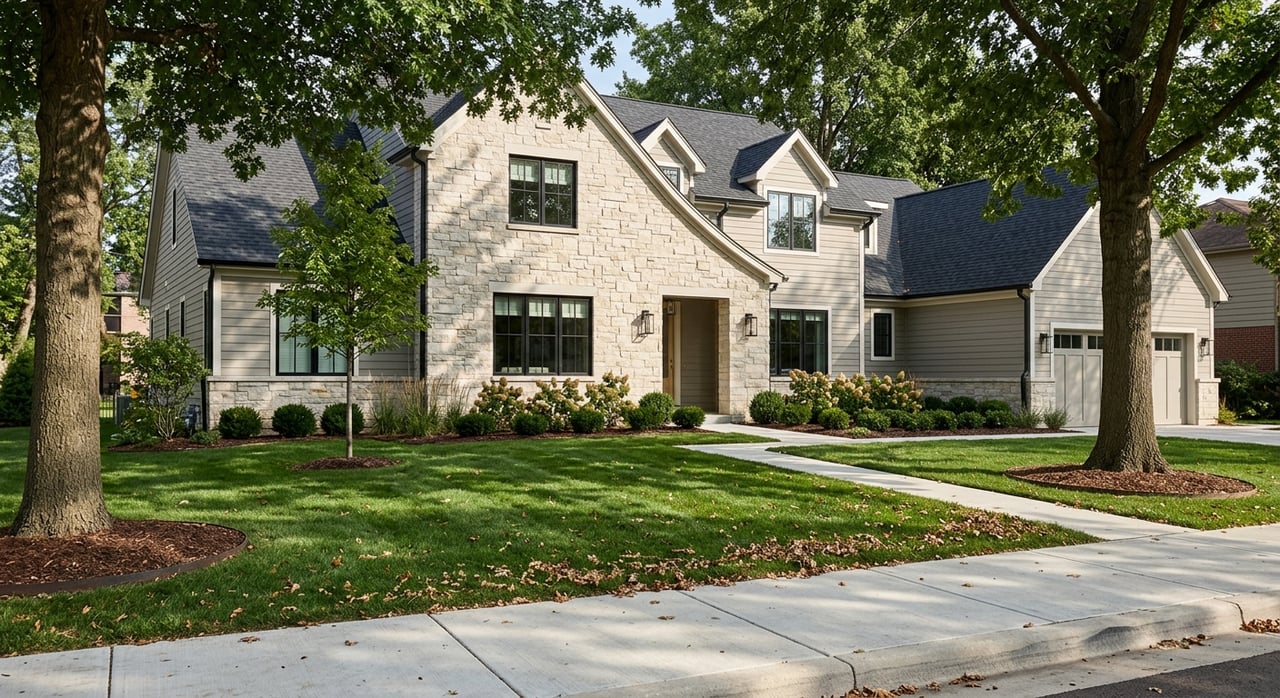
You will find infill townhouses and small-footprint single-family homes in Allentown or close-in suburbs. In surrounding townships like Upper Macungie, Salisbury, Whitehall, and Lower Macungie, larger-lot subdivisions and custom builds are common. These communities often offer contemporary layouts, garages, and proximity to major routes like I-78 and I-476 via nearby corridors.
Lot size, privacy, and amenities
City lots tend to be smaller and more walkable, while township lots are often larger with more yard space and privacy. Mature trees in established neighborhoods provide shade and natural screening. New subdivisions can take years to achieve the same level of landscaping maturity.
Schools, transit, and daily life
Many resale neighborhoods offer walkability, access to local parks, and proximity to downtown Allentown. Suburban new builds may be near shopping corridors such as the Lehigh Valley Mall and Jordan Creek areas and have convenient highway access for regional commutes. School district boundaries vary within short distances. If schools factor into your decision, confirm current boundaries directly with the district and do your own evaluation.
Timeline and transaction planning
Typical timelines
Resale purchases commonly close in 30 to 60 days depending on financing and contingencies. New construction timelines range from about 4 to 12 months or more from permit to occupancy. Spec homes can close faster. Weather, supply chain delays, utilities, and permitting can affect the schedule.
Financing differences
Resales work well with standard conventional, FHA, or VA loans. New construction may involve construction or construction-to-permanent financing with staged draws. Appraisals can be tricky if there are few comparable new sales nearby, and some builders respond with closing cost credits or rate incentives.
Negotiation dynamics
Resale negotiations typically focus on price, inspection repairs, and concessions. New construction base prices may be less flexible, but upgrades, closing cost assistance, or delivery timing are common negotiation points. Comparing multiple builders and models can strengthen your position.
Practical buyer checklist for Allentown and Lehigh County
- Pull recent MLS comparables for your target neighborhood and nearby new-build communities.
- Use Lehigh County assessment and GIS records to estimate taxes, lot sizes, and any floodplain overlays.
- Confirm zoning, historic district status, and any design review rules for exterior changes.
- Obtain and read the full builder warranty. Clarify the claim process, coverage limits, and exclusions.
- Schedule thorough inspections for both new and resale homes. For older homes, consider specialized checks for electrical, radon, lead-based paint, and foundations.
- Verify school district boundaries and ask township planning departments about nearby development that could affect traffic or noise.
- Review HOA covenants for new subdivisions, including design restrictions, amenities, and monthly or annual dues.
Which path is right for you?
Choose new construction if you want modern energy efficiency, lower short-term maintenance, and the ability to personalize finishes. This is often ideal if your timeline can accommodate a longer build and you prefer a suburban setting or a newly built urban townhouse.
Choose a resale if you value architectural detail, walkability, and established neighborhoods. Be prepared for potential system updates or renovations, and budget accordingly. Historic districts and mid-century pockets across Allentown can be great long-term holds when maintained well.
If you are relocating from NYC or New Jersey, or planning a move-up purchase within the Lehigh Valley, a side-by-side comparison of neighborhoods and timelines will help you decide. Our team brings legal-grade contract review and negotiation, plus deep local knowledge of both historic streets and new developments across the county.
Ready to compare specific properties and numbers for your situation? Connect with Shabana Pathan to map your options and timing.
FAQs
Is new construction always more expensive overall in Allentown?
- Not always. New builds often have higher purchase prices but can carry lower near-term maintenance and energy costs. The true gap depends on comps, house size, and condition.
How reliable are builder warranties for Lehigh County new homes?
- They help, but coverage varies. Many builders offer about one year for workmanship and a longer structural warranty. Read the written warranty and claim steps closely.
What hidden costs should I watch for in Allentown resales?
- Deferred maintenance, older mechanicals, and potential issues like lead paint in pre-1978 homes. Also verify permits for past renovations and budget for energy updates.
How long does new construction typically take in this area?
- Ground-up builds commonly run 4 to 12 months from permitting to occupancy, with weather and inspections affecting timelines. Spec homes can close more quickly.
Should I worry about flood zones and radon around Allentown?
- Yes, verify flood risk through county GIS and check FEMA designations. Radon testing is recommended for all Pennsylvania homes, and new builds can include mitigation systems.