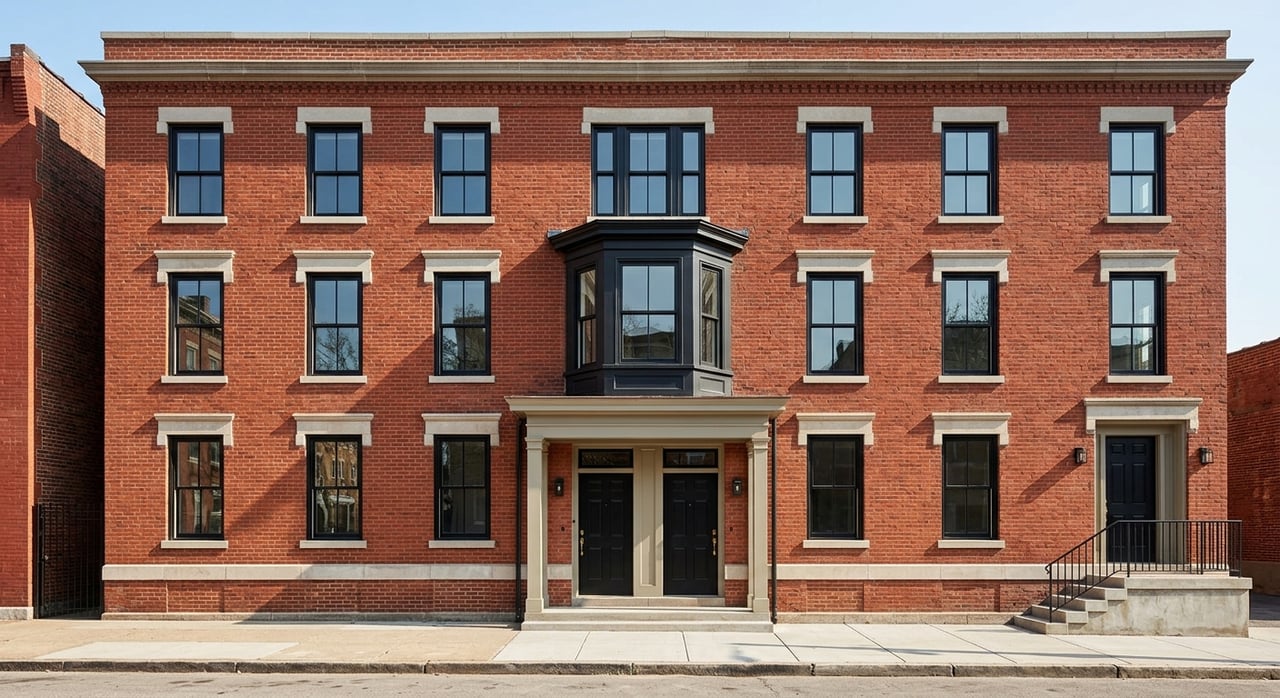
If you have been eyeing duplexes, triplexes, or small apartment buildings in Lehigh County, you are not alone. Many buyers are looking for a practical way to build income, offset housing costs, or add a tangible asset in a market with steady demand. The key is knowing that a good small multifamily investment is not just about the asking price or projected rent, and this guide will help you understand what matters most before you make a move. Let’s dive in.
Why Lehigh County Gets Investor Attention
Lehigh County has a solid market backdrop for small multifamily investors. The county had an estimated population of 385,655 in July 2024, along with 152,570 housing units, and the owner-occupied rate was 65.2% in the 2019-2023 American Community Survey data. Population also grew 3.0% from the 2020 census base to July 2024, which matters because household growth often supports rental demand.
The broader Lehigh Valley housing picture also helps explain investor interest. The Lehigh Valley Planning Commission reports a housing shortage of about 9,000 units, tied to years of limited construction and continued population growth. In 2025, RentCafe ranked Lehigh Valley as the nation’s second-most-competitive small rental market, with a 96.2% occupancy rate, about 15 applicants per vacant unit, and average lease-up of roughly 40 days.
That demand is not tied to just one type of renter. According to LVEDC, the Lehigh Valley is about 60 minutes north of Philadelphia and 90 minutes west of New York City, with 11 colleges and universities, 3 technical schools, and about 700 manufacturers employing around 37,000 workers. For you as an investor, that means the renter pool may include workers, students, commuters, and households relocating from nearby metro areas.
What “Small Multifamily” Means
In most consumer conversations, small multifamily usually means a property with two to four units, such as a duplex, triplex, or fourplex. These properties can appeal to both first-time investors and experienced buyers because they often sit in a middle ground between a single-family rental and a larger apartment building.
That middle ground matters because financing, underwriting, and due diligence can change significantly once a property reaches five or more units. A two- to four-unit property is generally treated as residential collateral by major conventional lending frameworks, while a five-plus-unit property moves into multifamily or commercial financing territory.
Financing Options Depend on Unit Count
Owner-Occupied 2-4 Unit Financing
If you plan to live in one of the units, your financing options may be more flexible. HUD says FHA loans are available for one- to four-unit properties with down payments as low as 3.5%, but at least one borrower must occupy the home within 60 days and intend to live there for at least one year.
For three- and four-unit FHA purchases, there is another layer to watch. The self-sufficiency test can become the deciding factor, because the property’s principal, interest, taxes, and insurance cannot exceed 100% of the net self-sufficiency rental income. In plain language, the rents must support the payment well enough for the property to qualify.
Freddie Mac also offers financing for two- to four-unit owner-occupied primary residences. Freddie says rental income from the other units can be added to borrower income, the minimum indicator score is 620 unless otherwise specified, and manually underwritten loans have a maximum 45% debt-to-income ratio.
Fannie Mae also treats one- to four-unit properties as residential collateral. When lease or market-rent documentation is used, Fannie Mae typically counts 75% of gross rent for qualifying. That is important because lenders are already building in a cushion for vacancy and maintenance instead of giving full credit for every rent dollar.
Investor Financing Expectations
If you are buying strictly as an investment and not planning to live there, the deal still needs to work under conservative assumptions. The county’s median gross rent was $1,326 in the 2019-2023 ACS, while the median owner-occupied home value was $276,100. Those figures can give you a broad affordability backdrop, but they should never replace a property-specific analysis.
A realistic underwriting model should account for vacancy, repairs, utilities, insurance, and financing costs. Even in a strong rental market, overestimating income or underestimating expenses can turn a promising property into a stressful one.
When 5+ Units Change the Game
Once a property has five or more units, the financing conversation changes. Fannie Mae’s conventional multifamily guidance says eligible properties are existing, stabilized properties with a minimum of five units, up to 80% loan-to-value, a 1.25x minimum debt service coverage ratio, and typically 90% stabilized occupancy for 90 days before funding.
You should also expect a more detailed due diligence process. Standard third-party reports often include an appraisal, a Phase I environmental site assessment, and a property condition assessment. That makes larger multifamily deals more complex, which is one reason many buyers start with duplexes through fourplexes first.
How to Think About Cap Rates
One of the most common questions investors ask is, “What cap rate should I expect in Lehigh County?” The honest answer is that there is no single countywide cap rate for duplexes or small apartment buildings. Pricing varies by location, condition, rent levels, upside potential, and whether the property is already stabilized.
A useful public benchmark comes from Newmark’s first quarter 2025 multifamily survey for the broader Lehigh Valley. It showed going-in cap rates of 5.75% to 6.25% for CBD assets and 6.0% to 6.25% for suburban assets. This is best treated as a negotiation reference point, not as a guarantee of what any specific property should trade for.
Why Cap Rate Alone Is Not Enough
A cap rate can help you compare opportunities, but it does not tell the full story. It will not show whether rents are truly at market, whether the roof needs replacement soon, or whether a municipality limits how the property can be used.
That is why smart investors look beyond headline yield. In Lehigh County, the stronger approach is to match the asset to the right financing path, verify the exact local rules, and stress-test the numbers so the property can still perform after a vacancy or surprise repair.
Zoning Is Local in Lehigh County
One of the most important things to understand is that Pennsylvania does not use a single countywide zoning rulebook. The Pennsylvania Municipalities Planning Code allows municipalities to govern land use through their own zoning, subdivision, and land-development ordinances. That means a duplex that works in one municipality may face very different requirements in another.
This matters even more in the Lehigh Valley because the region includes 62 municipalities. If you are comparing similar-looking properties across Lehigh County, you cannot assume they share the same use permissions, parking rules, setbacks, or approval process.
What to Verify Before You Make an Offer
Before you submit an offer on a small multifamily property, confirm the details for the specific parcel and municipality. A practical checklist includes:
- the exact zoning district for the property
- whether the current use is permitted
- density, setback, and parking requirements
- whether the property is lawful nonconforming
- whether a variance or special exception may be needed
- whether rental registration, inspections, or occupancy approvals are required
- lease terms, rent roll, security deposits, arrears, and utility responsibility
- title, insurance, and any floodplain or environmental concerns
This step can protect you from buying a property that looks right on paper but comes with hidden local compliance issues.
Condition Can Make or Break Financing
A strong rent roll does not automatically mean a property will pass underwriting. If you plan to use FHA or another agency-backed loan, the building condition is just as important as the income story.
HUD’s Minimum Property Standards are meant to confirm that a property meets baseline standards for structural soundness, safety, and livability. HUD appraisals also look for deficiencies that affect health, safety, and structural integrity. In practical terms, deferred maintenance can stop your financing even when the numbers look attractive.
What to Inspect Closely
When evaluating a Lehigh County small multifamily property, pay close attention to major systems and safety items. Your inspection review should include:
- roof condition
- HVAC systems
- plumbing and electrical systems
- egress and access points
- smoke and carbon monoxide devices
- common-area fire and life-safety items
These issues affect more than repair budgets. They can shape insurance costs, lender approval, and how quickly you can stabilize the property after closing.
A Conservative Investment Strategy Works Best
In a competitive market, it is easy to feel pressure to move fast. But small multifamily investing usually works best when you stay disciplined and avoid stretching the numbers just to win a deal.
A conservative strategy means using realistic rent assumptions, allowing for vacancy, planning for repairs, and understanding your financing terms before you write an offer. It also means remembering that not every property with upside is worth the execution risk.
For many buyers, the best opportunities are the ones that balance current income with manageable improvement needs. That kind of property may not feel flashy, but it often gives you a clearer path to steady performance.
Why Local Guidance Matters
Small multifamily purchases often involve more moving parts than a typical home purchase. You may be reviewing leases, checking municipal use rules, evaluating rent potential, and comparing different financing paths all at once.
That is where local market knowledge becomes valuable. In a place like Lehigh County, where rules and property profiles can vary from one municipality to the next, having experienced guidance can help you spot issues early, structure stronger offers, and move through due diligence with more confidence.
If you are thinking about buying a duplex, triplex, fourplex, or another investment property in Lehigh County, the right strategy starts with clear numbers and careful due diligence. The Shabana Pathan Group can help you evaluate opportunities with local market insight, strong transactional oversight, and a practical plan for your next move.
FAQs
What makes Lehigh County attractive for small multifamily investing?
- Lehigh County benefits from population growth, a broader regional housing shortage, and strong rental market competition in the Lehigh Valley, which supports demand for well-located rental properties.
What financing options exist for a 2-4 unit property in Lehigh County?
- If you will live in one unit, options may include FHA or owner-occupied conventional financing for two- to four-unit properties, with rental income from other units potentially helping you qualify depending on the loan program.
What changes when a Lehigh County property has 5 or more units?
- A five-plus-unit property usually shifts into multifamily or commercial financing, with different underwriting standards such as debt service coverage ratio, occupancy benchmarks, and more detailed third-party reports.
Are zoning rules the same across Lehigh County municipalities?
- No. Zoning is governed at the municipal level in Pennsylvania, so permitted uses, parking rules, density limits, and approval requirements can differ from one municipality to another.
What should you check before buying a small multifamily property in Lehigh County?
- You should verify zoning, use status, parking and setback rules, rental registration or inspection requirements, lease and rent details, title matters, insurance considerations, and the condition of major building systems.
How should you evaluate cap rates for Lehigh County multifamily property?
- Use cap rates as one benchmark, not the whole decision. Compare them with the property’s condition, rent support, financing terms, repair needs, and local municipal factors before deciding whether the deal truly works.