Can you live in Easton and still work in Manhattan without burning out or breaking your budget? If you are weighing more space and value in Pennsylvania against a longer commute, you are not alone. In this guide, you will compare commute options, understand what homes you can expect at different price points, and build a simple plan to balance time, money, and lifestyle. Let’s dive in.
Commute options from Easton to NYC
Intercity bus to Port Authority
Intercity buses run from the Lehigh Valley to the Port Authority Bus Terminal in Manhattan. Many Easton commuters use this for a direct, no-driving option. You get predictable per-trip costs and the ability to read or work in your seat.
Door-to-door time depends on where you live in Easton, highway conditions in New Jersey, and Manhattan congestion approaching the terminal. Morning buses can be crowded, and evening returns can slow with peak traffic. Confirm current schedules, fares, and park-and-ride policies before you commit.
Driving via I-78
If you prefer flexibility, you can drive from Easton along I-78 through New Jersey and enter Manhattan via major tunnels or connectors. Off-peak trips may be quicker, but peak periods often add heavy congestion at tunnel approaches. Parking in Manhattan can be expensive, and you should factor tolls, fuel, and added vehicle wear into your budget.
The upside is control over your schedule and true door-to-door convenience. The tradeoff is cost variability and stress from traffic and incidents. Use real-time tools to test typical travel times for your specific addresses at normal commute hours.
Park-and-ride plus bus
A popular middle route is to drive to a park-and-ride in the Lehigh Valley or nearby New Jersey, then take an express bus to Manhattan. This approach reduces urban driving and parking costs while keeping travel predictable. Lots can fill during peak hours, so verify capacity, fees, and pickup times.
You still face highway congestion, but your total cost is often less than parking in Manhattan daily. Make sure the lot’s policies fit your schedule, especially for early or late returns.
Drive to NJ rail or PATH
There is no direct commuter rail from Easton to NYC. Some commuters drive to New Jersey Transit rail stations or to PATH access in Newark or Hoboken. These hybrids add a transfer but can improve predictability on certain days. Check parking, train schedules, and transfer times before you rely on this plan.
What you get for your housing dollar
Easton neighborhoods overview
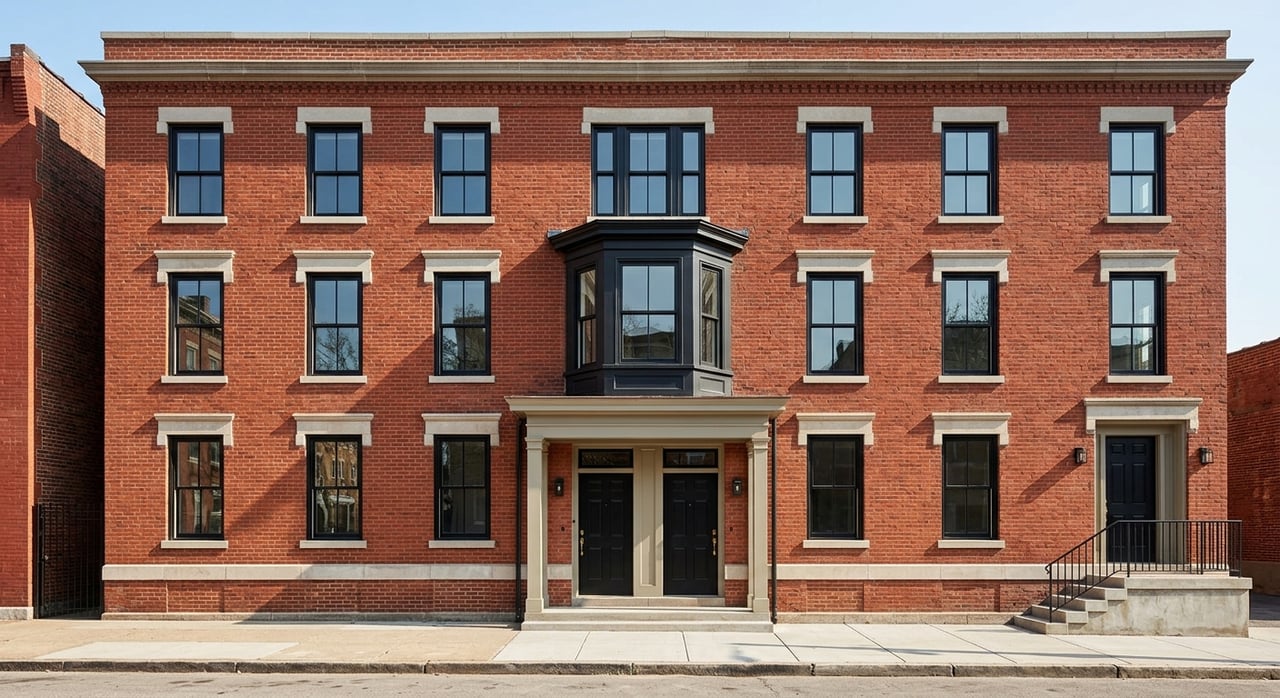
- Downtown Easton: Historic, walkable, and close to restaurants and arts. Housing includes renovated rowhomes and condos on smaller lots. Expect to drive to reach express bus pickups or I-78.
- College Hill: Near Lafayette College with a residential feel and cultural amenities. Many historic homes with character and yard space. Commute typically starts with a short drive to bus or highway.
- South Side, West Ward, and other city sections: Older single-family homes and twins that can be entry points for first-time buyers. Reach bus or I-78 with a short local drive.
- Forks Township, Palmer Township, Wilson Borough: Suburban settings with newer subdivisions and larger lots. Some areas offer quicker access to I-78, which can trim local street time.
Typical homes by price band
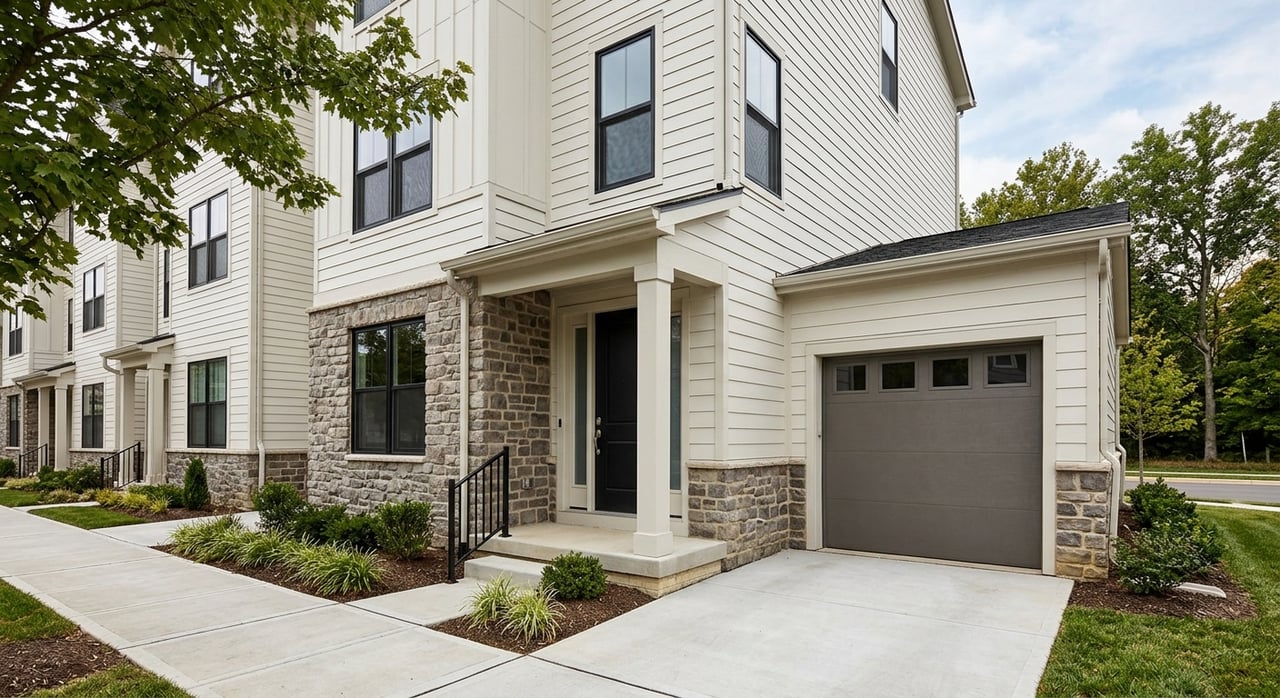
- Entry-level budget: Condos, small single-family homes with 2–3 bedrooms, twins, or homes that need updates. You may trade yard size and finishes for a lower monthly payment.
- Mid-range: Renovated historic homes, modest detached single-family homes with yards, or newer townhomes in nearby suburbs with 3–4 bedrooms. Often closer to highway access or park-and-ride routes.
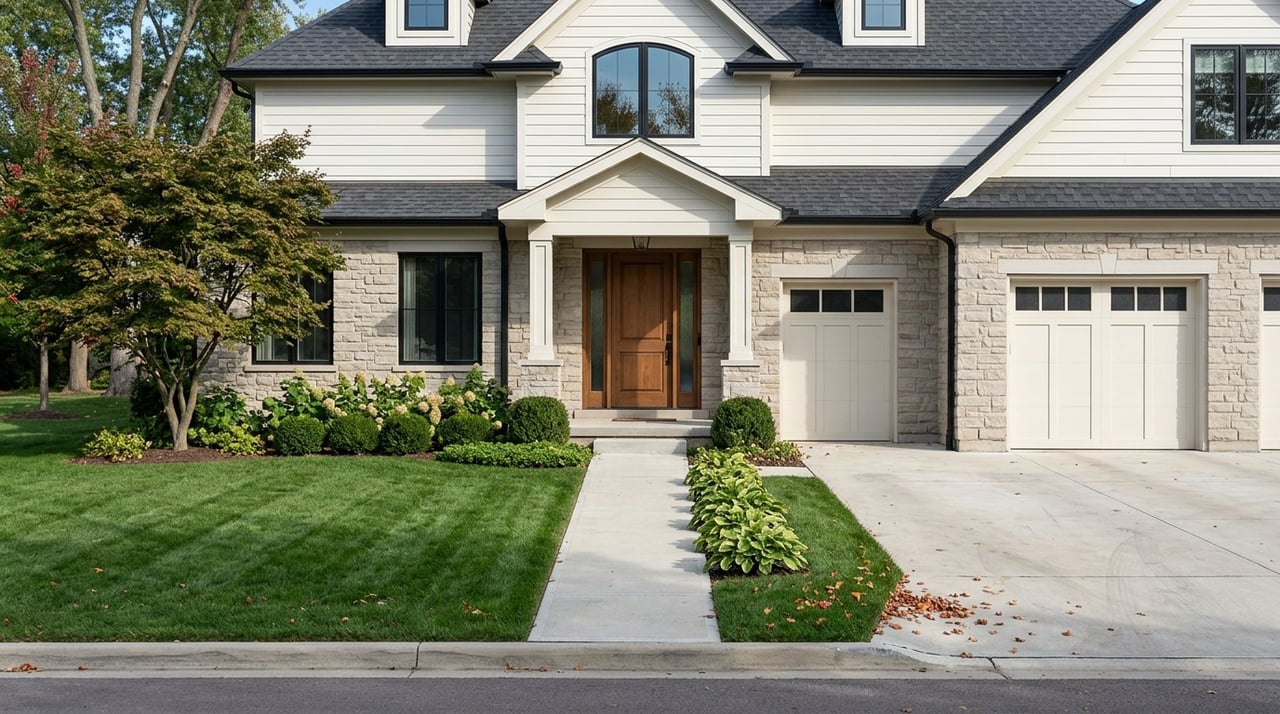
- Move-up and premium: Larger detached homes, high-quality renovations, premium suburban lots, and newer builds. You gain comfort and space, but should still plan for an hour-plus door-to-door commute on many days.
Commute convenience by area
- Closer to I-78: Shorter local drives, but more exposure to traffic noise. Good if time is your top priority.
- Downtown and College Hill: High walkability and amenities, but plan on a short drive to bus pickups or the highway. Ideal if you value culture and dining.
- Suburban townships: Easier highway access and larger lots. Good for park-and-ride strategies or flexible driving schedules.
Time vs money: your true commute cost
What to include in your monthly estimate
- Direct costs: Bus fares or monthly passes, tolls, parking, fuel, and a reasonable estimate for maintenance and depreciation.
- Time costs: Door-to-door minutes per trip multiplied by workdays per month. Assign a value to your time that reflects your priorities.
- Indirect costs: Reliability, flexibility, stress, and the need for backup plans during bad weather or major incidents.
Build a simple break-even model
- List each option: bus, full drive, and park-and-ride hybrids.
- Calculate monetary cost: fares or tolls, parking, fuel, and vehicle wear.
- Convert time to dollars: multiply your monthly commute hours by your chosen hourly value.
- Compare totals: Monetary cost plus time value gives you a clearer picture of tradeoffs.
Sensitivity checks for hybrid schedules
- Test peak vs off-peak travel. Your numbers will shift with seasonal traffic and incidents.
- Model 1–3 remote days per week. Even a small change in commute days can tilt the decision.
- Note reliability. Factor in how often delays or cancellations affect your option of choice.
On-the-ground testing plan
Do three live commute tests
- Bus-only: Morning inbound and evening return to understand seat availability, timing, and last-mile in Manhattan.
- Full drive: Include typical tunnel approaches and parking. Track cost and stress.
- Park-and-ride: Time your drive, parking, boarding, and arrival buffer at the terminal.
Verify schedules, tolls, and parking
- Confirm bus schedules, pass options, and pickup points directly with the operator.
- Check toll structures and consider getting an electronic transponder if you will drive often.
- Review lot policies and typical capacity at your preferred park-and-ride.
Visit neighborhoods at commute hours
- Observe traffic, street parking, and noise where you plan to live.
- Check how early you need to leave to make a bus comfortably.
- Note driveway and garage convenience for pre-dawn departures or late returns.
Choose the right Easton fit
If minimizing commute time
Prioritize proximity to I-78 and major arterials that feed it. Suburban areas near interchanges often reduce local street time. A short daily drive can make bus schedules easier to hit.
If minimizing total monthly cost
Target areas with convenient bus access and straightforward parking at home. Park-and-ride strategies can reduce parking and toll expenses. Build your budget using actual test runs and current fares.
If prioritizing lifestyle and walkability
Downtown Easton and College Hill offer dining, markets, and cultural amenities within minutes. You trade a longer local drive to the highway or bus pickup for more daily convenience close to home. This can be ideal if you commute only a few days a week.
For hybrid workers
Make a dedicated home office non-negotiable. Reliable high-speed internet and quiet spaces can offset longer commute days. Proximity to bus stops is still a plus when you do go in.
How Shabana Pathan Group helps
Relocating from NYC or New Jersey to the Lehigh Valley is a big move. You deserve clear comparisons, neighborhood insight, and a structured plan. Our team offers relocation guidance, local neighborhood expertise across Easton, Forks, Palmer, and nearby markets, and buyer representation backed by legal-grade contract and negotiation support.
We can help you map commute scenarios to specific homes, evaluate monthly cost tradeoffs, and schedule live commute tests tied to the neighborhoods you like. When you are ready, connect with Shabana Pathan to build a step-by-step plan that fits your timeline and goals.
FAQs
Is there direct rail from Easton to NYC?
- No; you will use intercity buses, drive, or drive to New Jersey rail or PATH and transfer.
How reliable is the bus from Easton to Manhattan?
- Many commuters rely on it, but delays can occur during severe weather or major incidents, so test your route and build a buffer.
Will I save money living in Easton vs northern New Jersey?
- Often yes on housing and taxes, but your true savings depend on tolls, parking, fares, and how you value commute time, so run a full monthly comparison.
Which Easton neighborhoods are best for commuters?
- If time is the priority, look near I-78 and major arterials; if lifestyle is the priority, focus on Downtown and College Hill and plan a short drive to bus or highway.
What price range gets a detached home near Easton?
- It varies with inventory and condition; expect more space and yard as you move from entry-level to mid-range and premium budgets.
How should hybrid workers choose a home in Easton?
- Prioritize a dedicated office and strong internet first, then balance proximity to bus or highway for the days you go in.