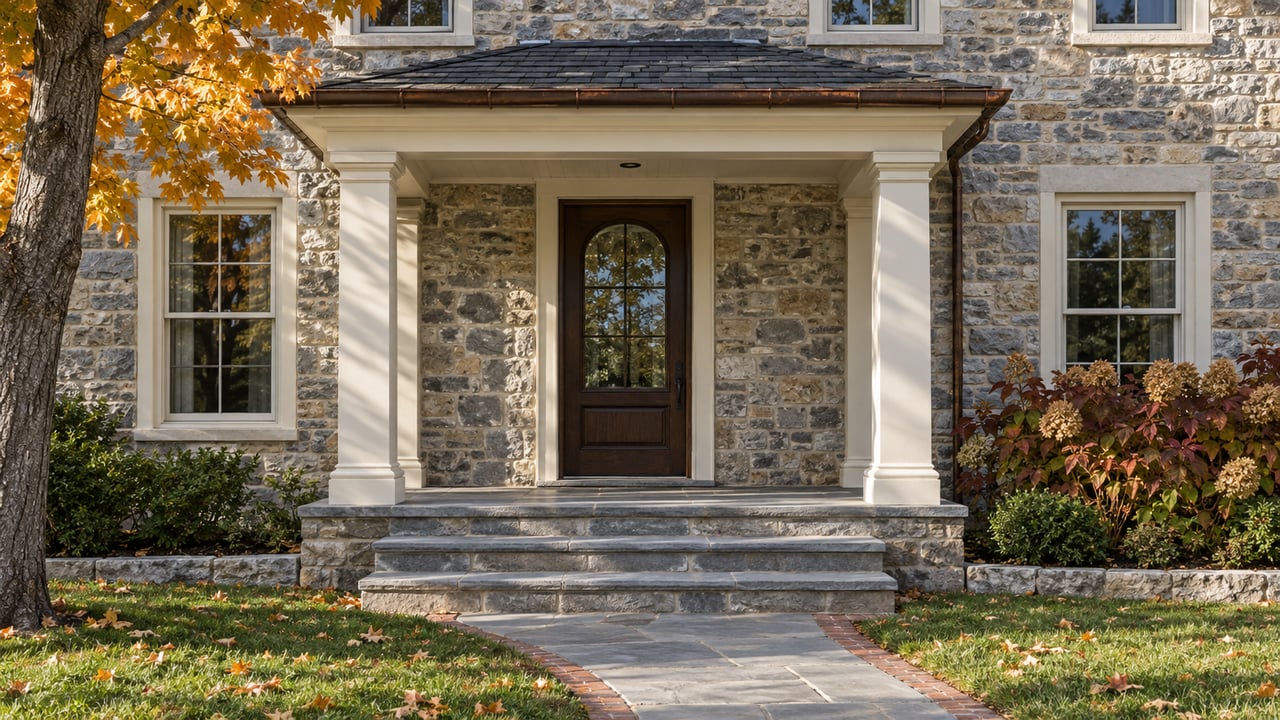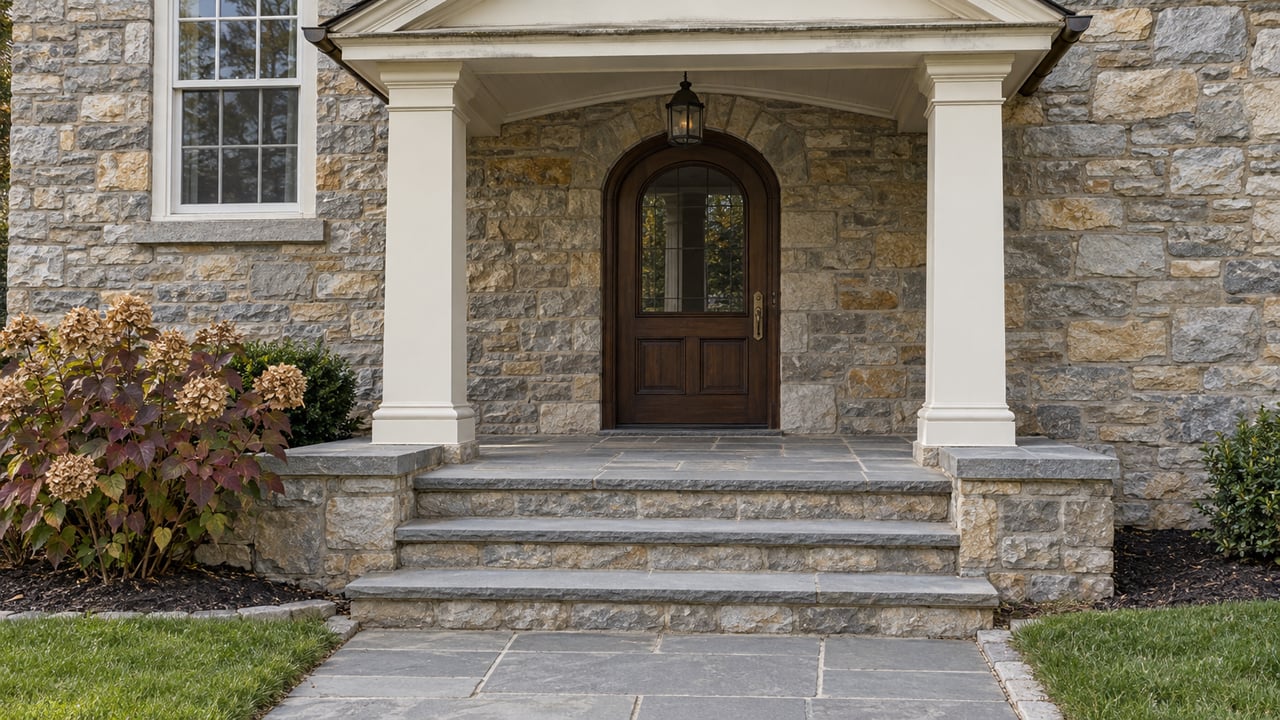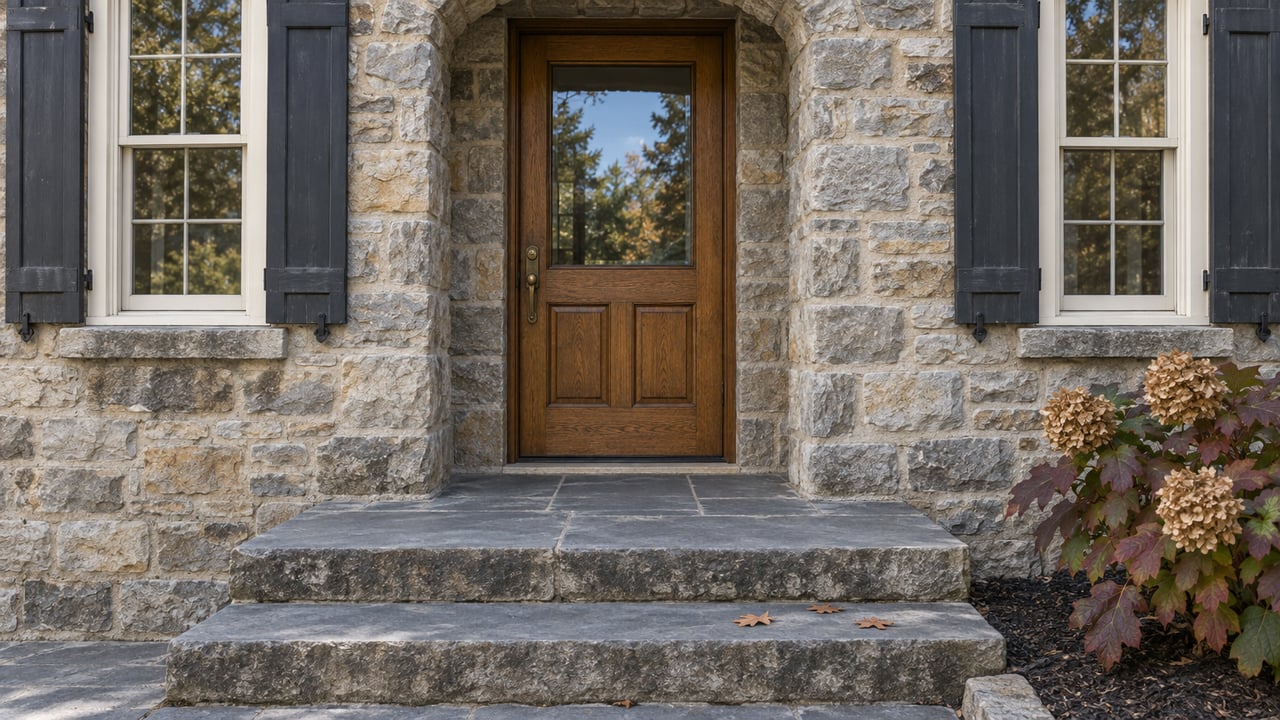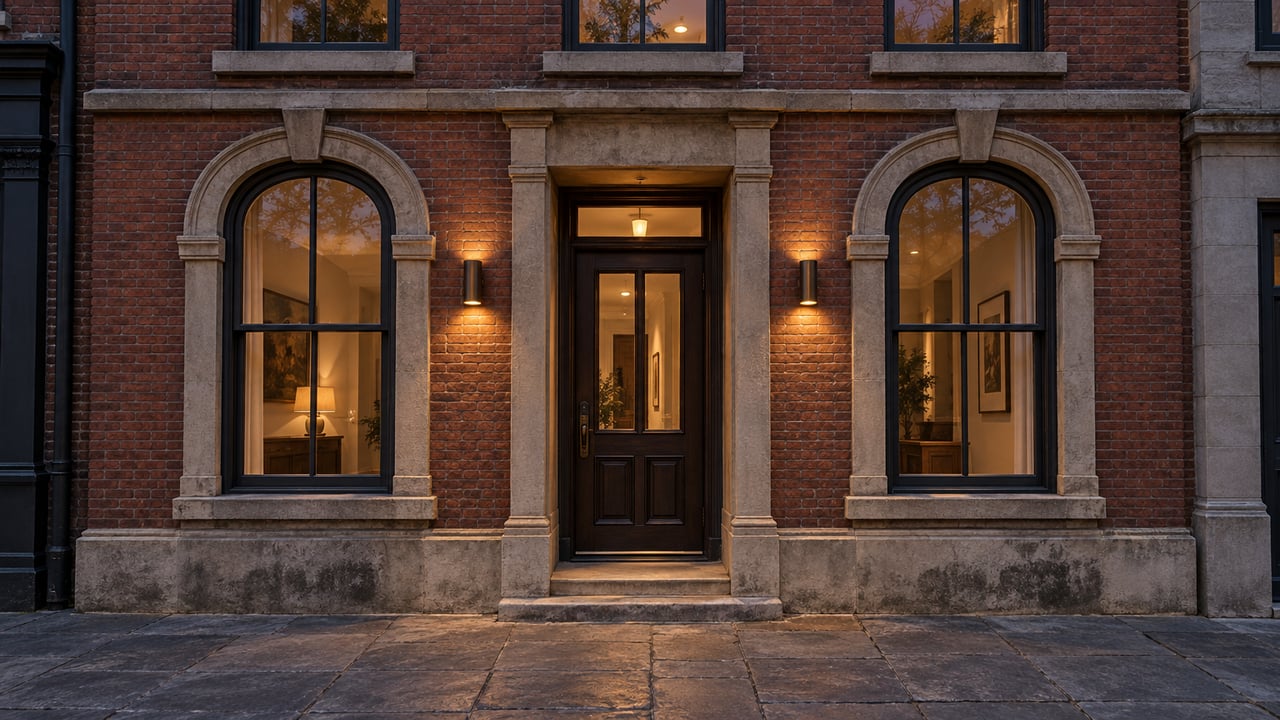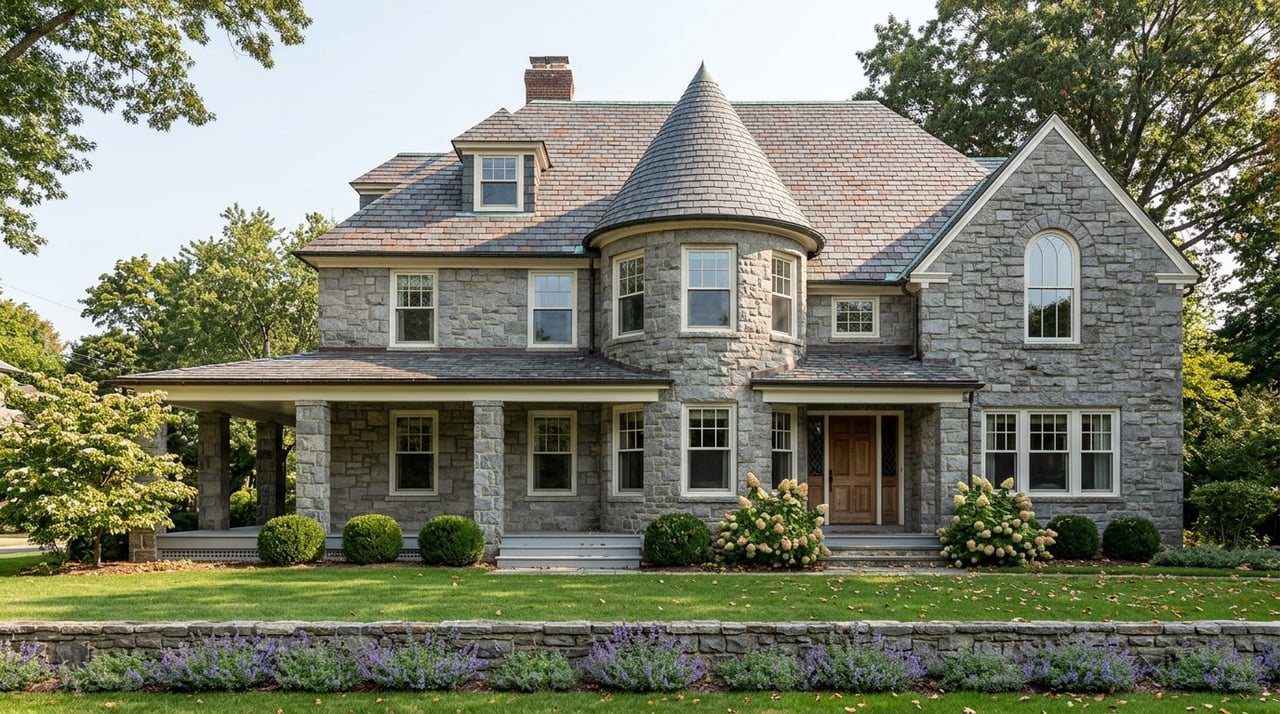
Picture a buyer under contract on a stone Victorian a block off Cattell Street, the kind of house College Hill is known for. Before closing, they call the city to ask what they're allowed to do to the porch and the windows, because the listing said "historic district" and they assume that phrase comes with a permission slip they don't yet have. The honest answer, as of today, is that College Hill's historic label mostly regulates nothing at all. That gap between what buyers expect and what the city actually enforces is worth understanding before you sign anything, whether you're closing on a house there or listing one.
Two Different Things Are Both Called "Historic District"
Easton has two separate systems that both use the word "historic," and they do not overlap the way most people assume.
The first is the College Hill Residential Historic District, added to the National Register of Historic Places in 1992 in recognition of the neighborhood's collection of stately homes built between 1830 and 1940, including the McKelvy House, designed in 1888 by the New York firm McKim, Mead and White. The National Register listing is a recognition of architectural and historical significance.
The second system is Easton's Local Historic District, created by a city ordinance passed in August 2005. This is the one with teeth. Inside the LHD, any exterior renovation or alteration visible from a street, sidewalk, or public way requires a Certificate of Appropriateness reviewed by the city's Historic District Commission before a building permit can be issued. But the LHD is a specific, mapped boundary: roughly the Delaware River, Bushkill Creek, Sixth Street, and the Lehigh River, covering both sides of Sixth Street. That boundary is downtown Easton. College Hill sits outside it.
So a College Hill homeowner can be sitting inside a nationally recognized historic district and still not need a Certificate of Appropriateness to replace a window, repaint a porch ceiling, or swap a front door, because the ordinance that would require that review has never been extended to their street.
Why College Hill Still Doesn't Have Its Own Rulebook
The process has been under discussion for years as people debate how far the rules should go.
As WFMZ reported, Easton formed a 16-member Historic Conservation District Committee in 2019 in response to the city's 2017 comprehensive plan, tasked with drafting design standards for three areas: College Hill, the Southside, and the West Ward. The committee spent months working clause by clause through Pottstown's conservation district ordinance, described as the most comprehensive of its kind in the state, and voting on which pieces to adopt. They agreed doors and windows should be replaced with same-size original-style elements. They voted 15 to zero, in a vote limited to College Hill residents, to regulate demolition. They rejected the idea of forcing owners to use expensive historic materials.
The furthest that work got, publicly, was a West Ward version of the ordinance presented to Easton's Planning Commission, which drew pushback from commissioners over whether the city had the legal standing to block a private demolition at all. WFMZ quoted one commissioner's objection this way:
"It's my real estate and this statute tells me I can't do it."
City Council tabled the ordinance rather than introduce it. As of May 2026, the city's own agenda shows the review process is still being reshuffled, with a resolution supporting a "Repositioning of the Historic District Commission as the initial review body for applications," which tells you the framework is still in motion rather than settled. Nothing currently on the books extends COA review to College Hill.
What This Means If You're Buying, Selling, or Renovating There Now
If you're closing on a College Hill home this fall, the practical read is straightforward. Ordinary building permits and zoning still apply to any renovation, as they do anywhere in Easton. What does not currently apply is the extra layer of design review that a downtown LHD property faces, the step where a Historic District Commission has to sign off on your porch railing or window trim before codes will issue a permit.
That could change. The conservation district conversation has resurfaced in city business more than once since 2019, and the committee's own materials note that the point of a future ordinance would be to apply mostly to street-facing facades, not full exteriors, and to avoid mandating costly materials. If you're planning a renovation with a longer runway, checking Easton's council agenda before you commit to a design is a cheap form of insurance. If you're closing in the next few months, the rule as written today is what governs your project, not the rule that's been drafted and set aside since 2019.
One caveat worth saying plainly: this is a summary of public record, not a substitute for a title search or your own attorney's review before you sign a purchase agreement.
The Deadline That Actually Applies to Every Easton Seller
Separate from any of the historic district questions, Easton has a citywide rule that catches sellers who assume disclosure works the way it does in a typical suburban transaction. Under the city's Buyer Notification ordinance, codified in Chapter 222, sellers are required to request a city inspection report showing the legal use and condition of the property, and they have five business days from the date of listing, or from an offer to sell, to make that request. The resulting report is valid for up to one year, with the Chief Codes Administrator able to extend it to two years.
This applies whether the house is on College Hill, downtown inside the LHD, or in the West Ward. It has nothing to do with historic designation and everything to do with timing. Sellers who list without triggering that request inside the five-day window can find themselves scrambling for a report right when they should be fielding offers.
What the Premium on College Hill Actually Buys
None of this means College Hill's character is unprotected in practice, just that the protection is closer to habit and market pressure than to binding law. And the market has been pricing that character for a while.
As of April 2026, tracked figures put College Hill's median home price in the mid-$400,000s, with homes typically moving in the range of three to five weeks, faster than the national pace. That sits well above Easton's citywide median, which sat closer to $252,000 in March 2026 on a smaller, thinner month of sales. The gap is the story. Buyers are paying a real premium for the streetscape, the walk to Lafayette College, the stone facades and mansard roofs, in a neighborhood where the thing they're paying for isn't actually locked in by a Certificate of Appropriateness requirement the way it is six blocks away downtown.
That's not a warning to avoid College Hill. It's a reason to go in with clear eyes about what you're buying: a neighborhood whose look has held up through owner norms and a National Register plaque, not through the same enforceable design review that governs the LHD. If the conservation district conversation ever resolves, that could formalize what's currently informal. Until then, the character is real, but it isn't guaranteed by ordinance.
A Few Questions Worth Asking Before You Sign
Do I need a permit to change my windows if I own a home on College Hill? You need the standard building permit any homeowner needs for that kind of work. You do not currently need a Certificate of Appropriateness, because College Hill sits outside Easton's Local Historic District boundary, and the separate conservation district ordinance that would require one has been drafted since 2019 without being adopted.
Could College Hill get its own design review rules? It's been under active discussion since 2019, and city council activity as recent as May 2026 shows the review process is still being restructured. Anyone planning a major exterior renovation with a long timeline should keep an eye on council agendas.
What deadline should every Easton seller know about, regardless of neighborhood? Chapter 222's Buyer Notification requirement: request the city's inspection report within five business days of listing, or of receiving an offer, since the resulting report is only valid for up to two years and the process can't be waived by agreement between buyer and seller.
Is College Hill still moving fast as a market? Recent tracked data puts homes there selling in roughly three to five weeks, faster than the national average, with prices running well above Easton's citywide median.
If you're weighing a purchase on College Hill, listing a home there, or trying to time a renovation around a rulebook that's still being written, it helps to talk it through with someone who reads these ordinances for a living. The Shabana Pathan Group has that kind of legal-grade attention built into how the team handles Lehigh Valley transactions. Schedule a Confidential Consultation before your next move on College Hill.
This article is general information, not legal, tax or financial advice. Consult a qualified professional about your situation.